Candlelight Vigil Reunites All Fred Hampton and Mark Clark Survivors After 56 Years
Survivors of the 1969 raid, former Black Panthers, residents, and community organizers gathered at the site of the assassination to honor how the Black Panthers' revolutionary work continues today, amid opposition over who has the right to tell their story.
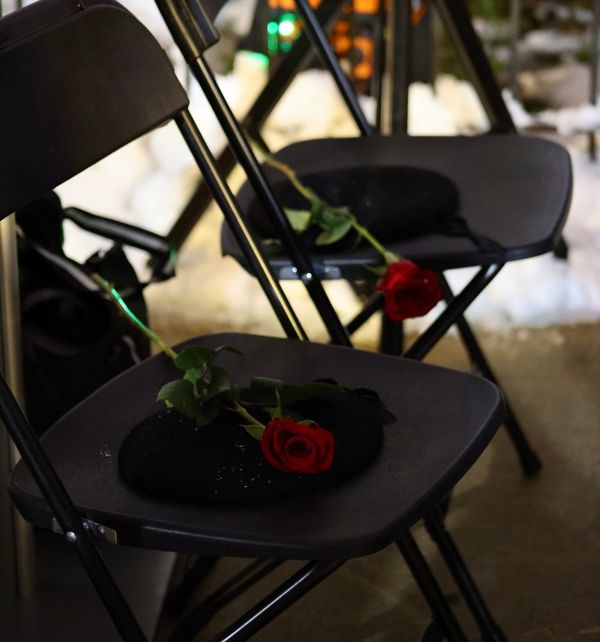
Two chairs in remembrance of Fred Hampton and Mark Clark. | NaBeela Washington/15 West
The cold, dry December air didn't stop people from gathering at 2337 W. Monroe St. on Dec. 3 to mark 56 years since Chicago police assassinated Black Panther Chairman Fred Hampton and Peoria Defense Captain Mark Clark.
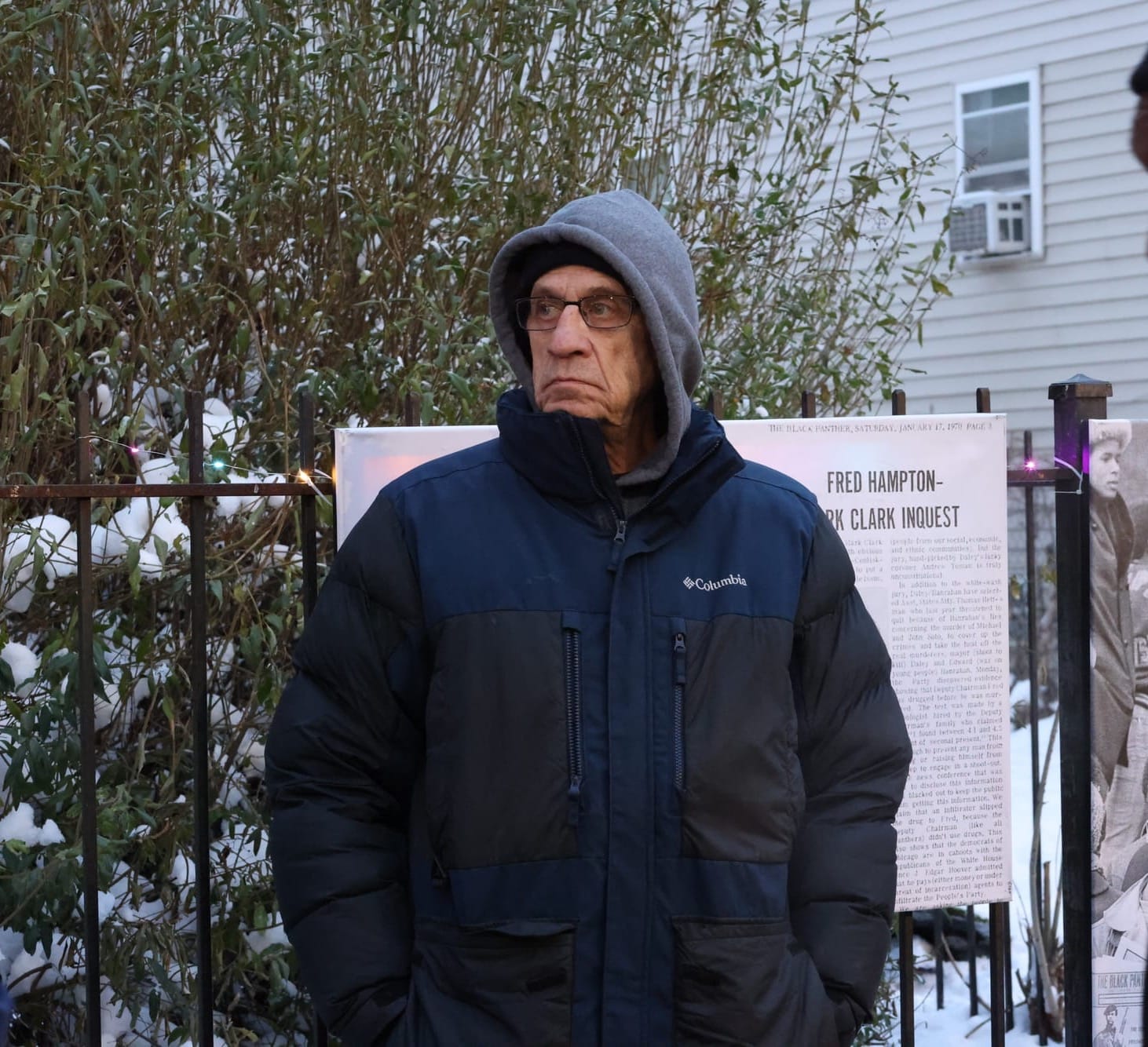
The vigil marked the last night Hampton and Clark spent alive before being killed in the early morning hours of Dec. 4, 1969. One person in attendance, Dr Howard Ehrman, had worked directly with Fred Hampton and Ronald Satchel in the past, a year before starting medical school. "The neighborhood's changed a little bit from 56 years ago,” he said while studying the street.
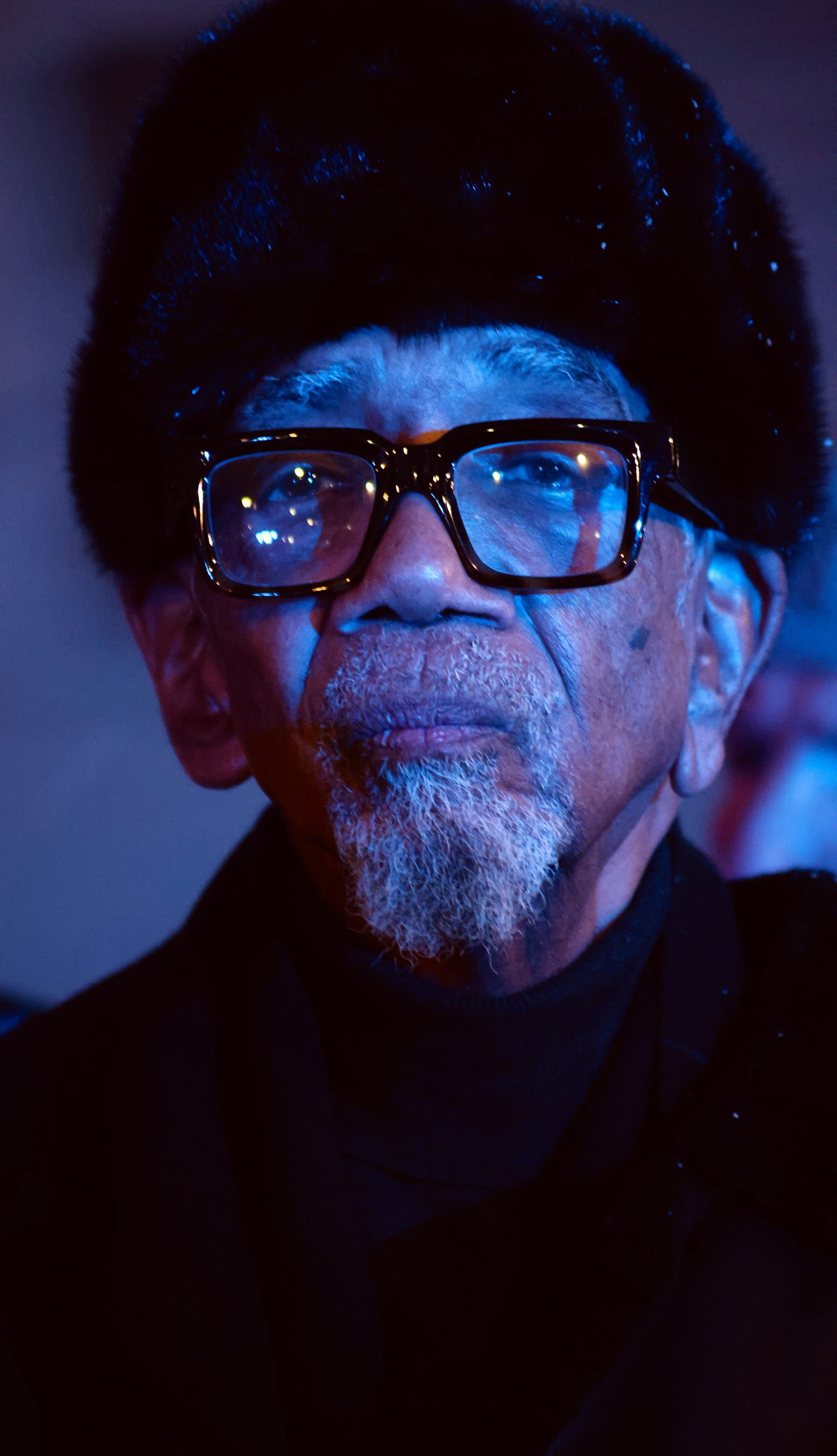
Dr. Howard Ehrman before event start. | NaBeela Washington/15 West
In 2020, he co-founded the People’s Response Network, a group of activists, organizers, and public workers that has sought to expand the city’s health network and social services. "We've [People's Response Network] been around [for] almost six years, and we started ... under Mayor Lightfoot and the previous health initiative [Protect Chicago 77 initiative]," shared Ehrman. He is also the founder of Mi Villita Neighbors, an organization that hosted COVID-19 testing and flu shot drives across the city.
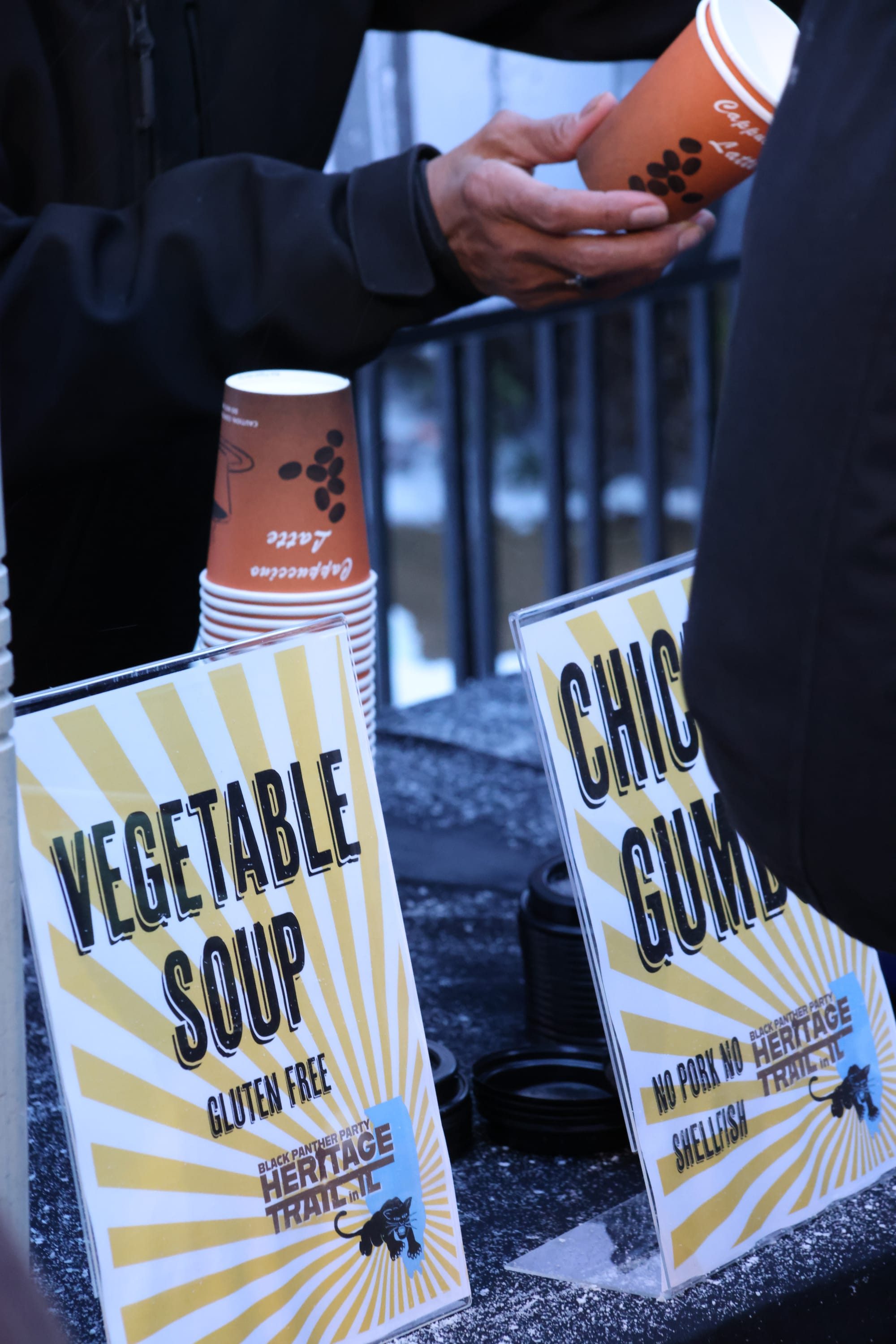
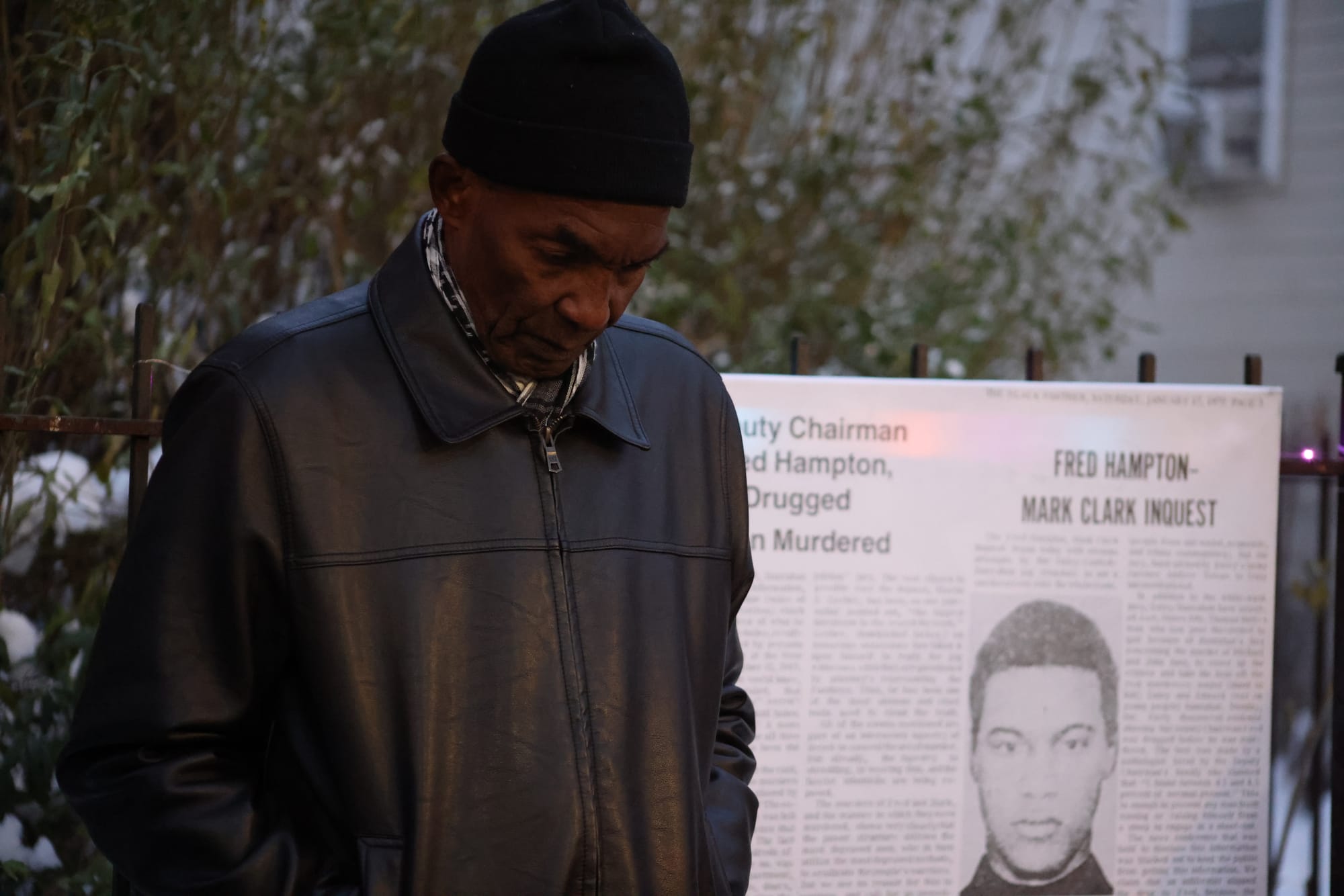
[LEFT] Refreshments being served before start of the ceremony. [RIGHT] Yusef Omowale of the Illinois Chapter. | NaBeela Washington/15 West
Around us, the community assembled, not as strangers, but as inheritors. Residents, organizers, elders, and the very Black Panthers who were present for Hampton’s assassination. Even Fred Hampton Jr., who had opposed the preservation efforts, was present, though standing apart, voicing his own vision for how his father should be remembered. He led a coalition against National Register recognition, according to the Sun-Times. And at Wednesday's event, he interrupted the proceedings with an impromptu press conference.
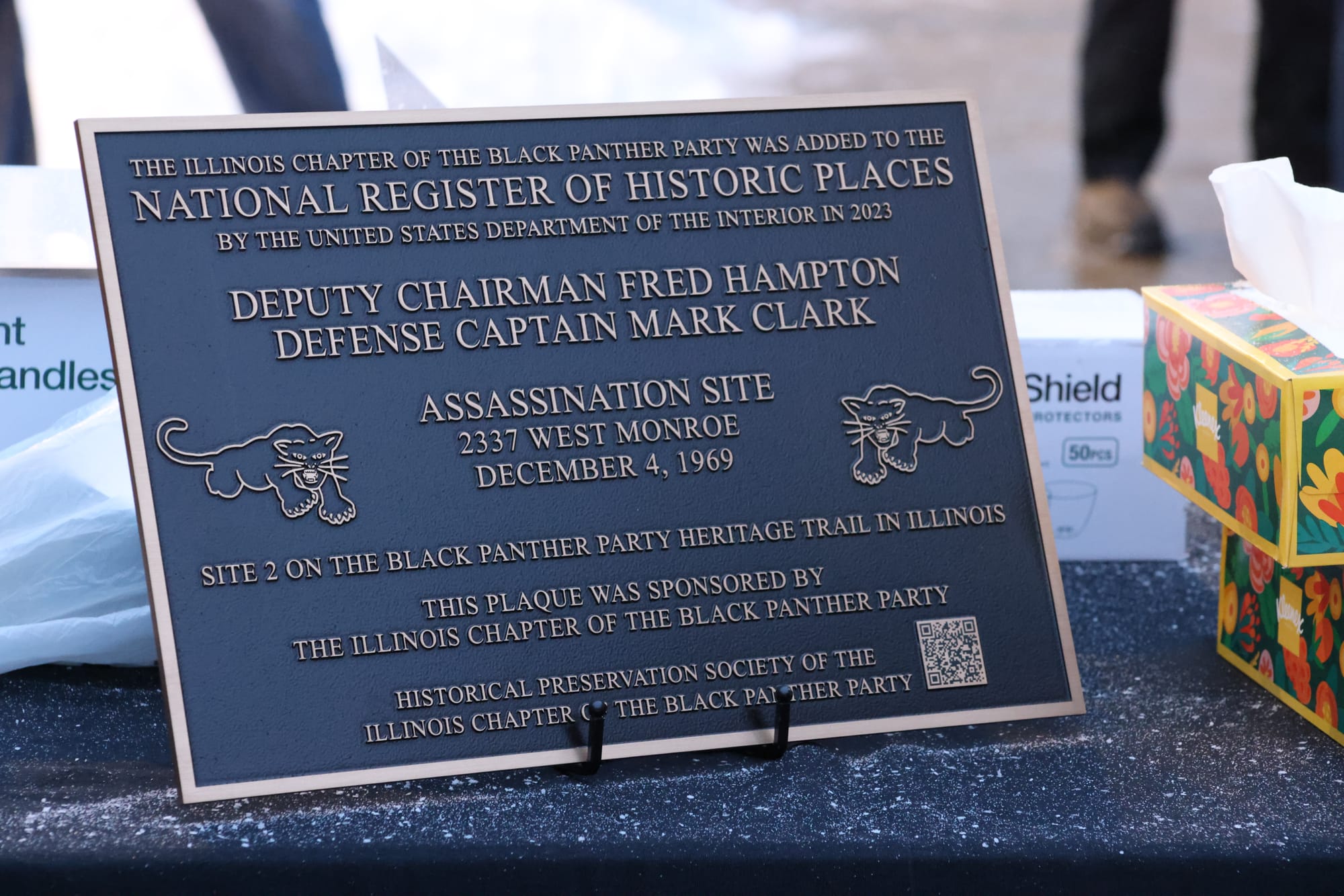
The plaque of Site 2 of the Black Panther Party Heritage Trail in Illinois. | NaBeela Washington/15 West
Shortly after disruptions, the testimonies began, and the past was made present.
"We were trying to make a revolution, and we were not respected," said Joan Foster McCarty. "Some of us have decided to come together and really push for the legacy of the Black Panther Party to be remembered, and that is what we're here for today."
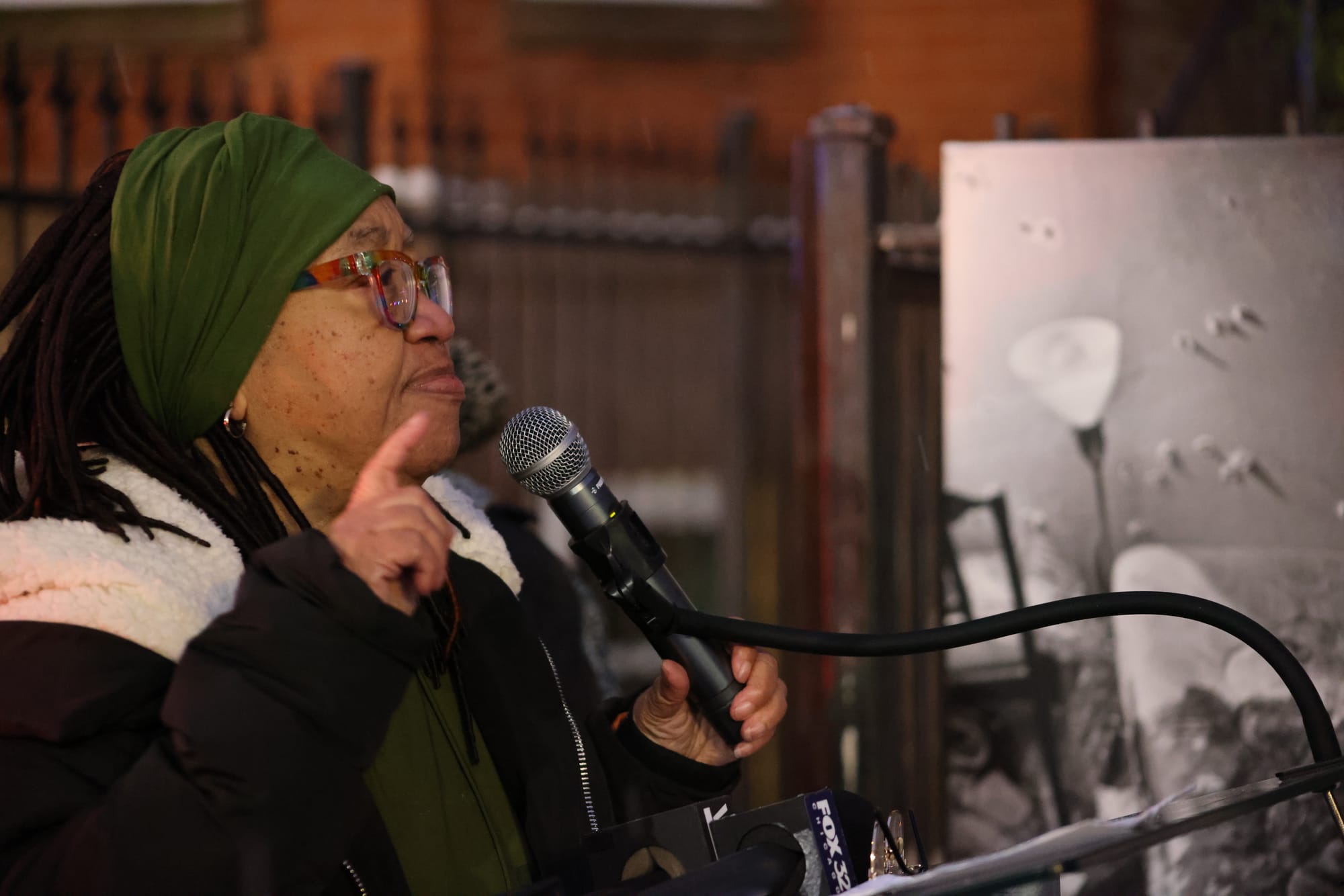
McCarty during opening remarks. | NaBeela Washington/15 West
McCarty was a former member of the Illinois chapter of the Black Panther Party. During the vigil ceremony, she introduced herself as someone whose life was profoundly changed by joining the Party in 1969. She was active in student organizing as part of the Black Student Organization in Illinois, where she met Fred Hampton and Bobby Rush.
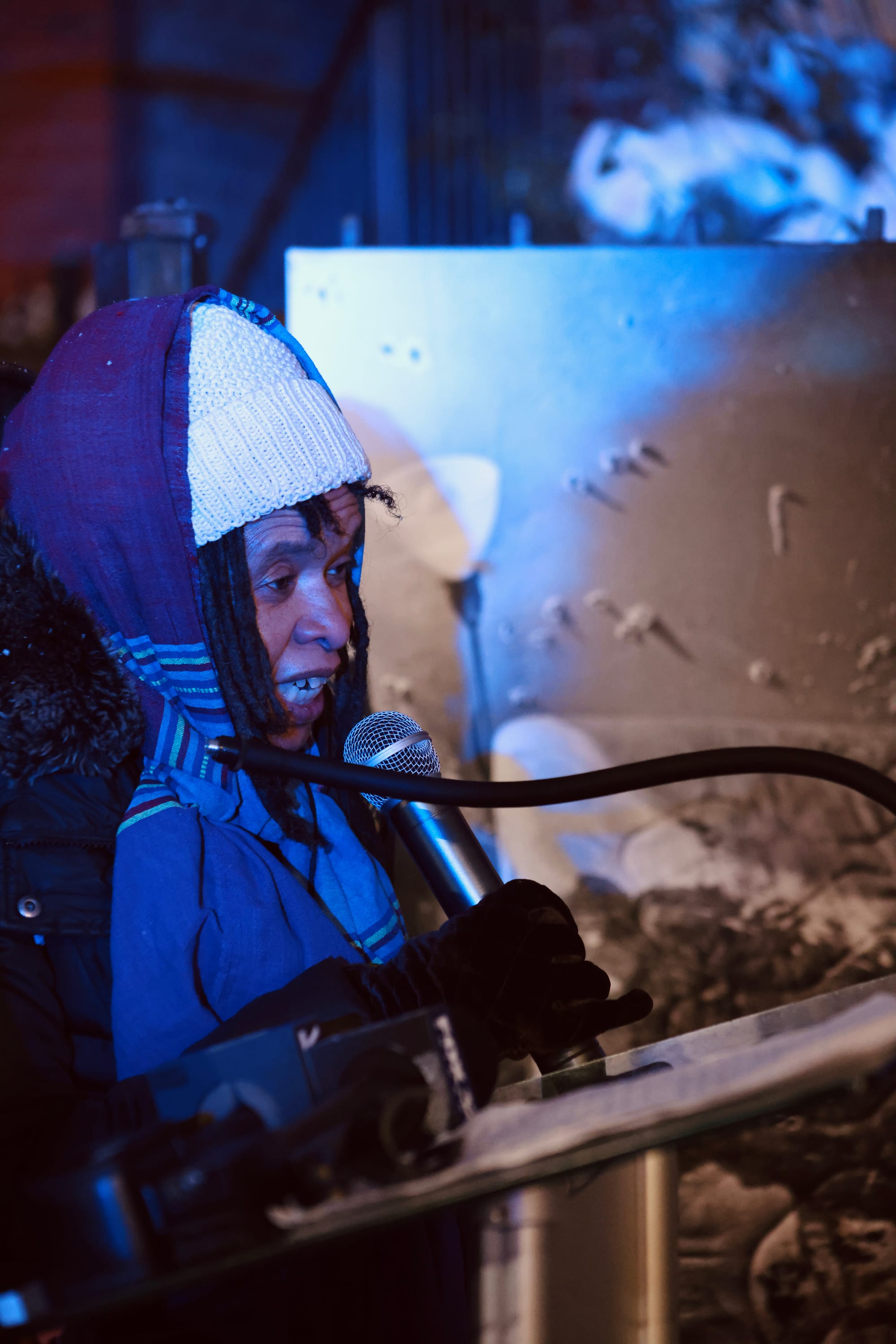
Following McCarty was Nwaji Nefahito. Nefahito shared with the audience that she was one of the survivors present in the house that night and had been shot twice. Concluding her remarks, Nefahito expressed solidarity with “power to the people.”
Nefahito sharing her experience with the crowd. | NaBeela Washington/15 West
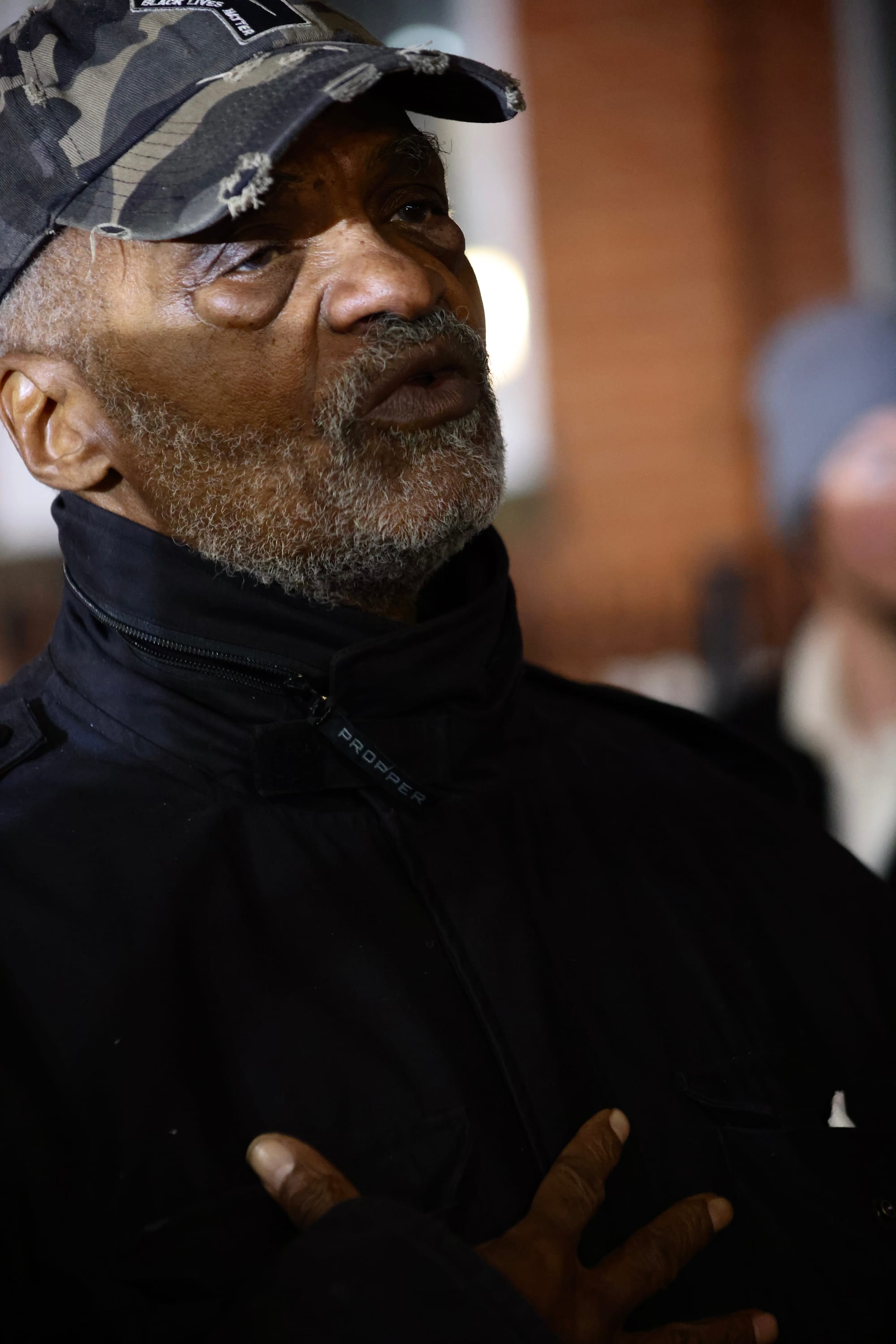
Blair “Brother BJ” Anderson, another survivor of the raid, emphasized the importance of balancing emotion with strategy: “Revolution is political first, then it is also personal and passionate … we were very passionate. In fact, we had to calm our passion and get to our political analysis,” Anderson shared.
Anderson reflecting on his experience. | NaBeela Washington/15 West
Ultimately, this passion became the blueprint. To some, “power to the people” wasn’t just a slogan, but a national threat. And in 1968, FBI Director J. Edgar Hoover declared that the Black Panther Party "without question, represents the greatest threat to the internal security of the country."
Former congressman Bobby Rush, a co-founder of the Illinois chapter of the Black Panther Party, voiced what came next. "The FBI made plans to kill Fred Hampton and every leader in Illinois," said Rush. His voice cut through the frigid evening. "Fred Hampton's murder was the only political assassination in the history of this nation that was officially sanctioned by the US government."
Rush during the dedication ceremony. | NaBeela Washington/15 West
The FBI and Chicago police exchanged memos containing information and instructions for the purpose of destroying the Black Panther Party, with crucial documentation revealing informant William O'Neal's role in the conspiracy to execute Hampton, according to Digital Chicago, a collaborative project between Lake Forest College and the Chicago History Museum.
But this dedication ceremony wasn't about death. It was about what persisted.
Mark Clark established a free breakfast program for children at Ward Chapel AME Church in Peoria, Illinois. This program has been recognized as an important part of the Black Panther Party Heritage Trail in Illinois. This initiative not only provided meals but also helped organize people and demonstrated how communities could come together to solve their own problems.
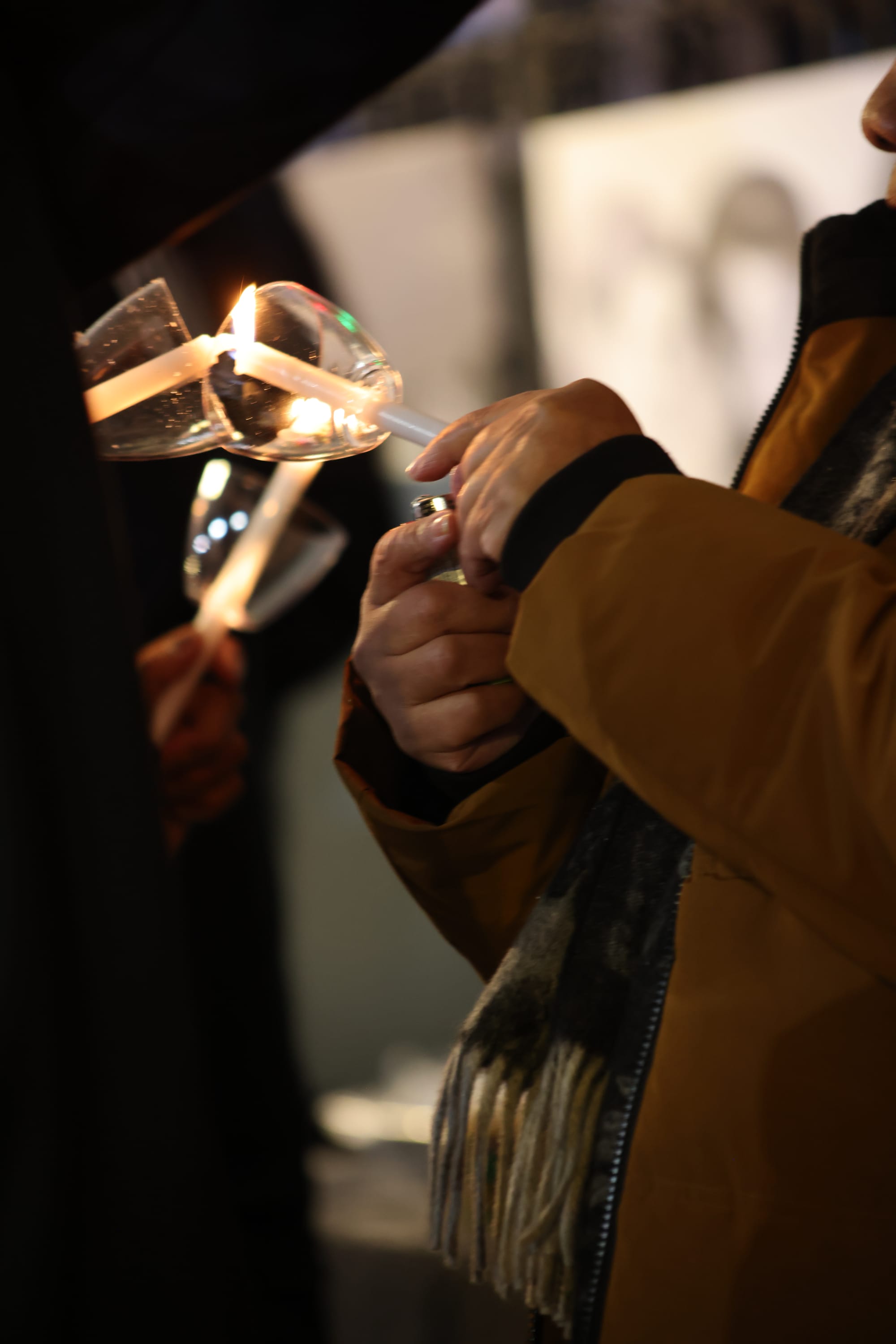
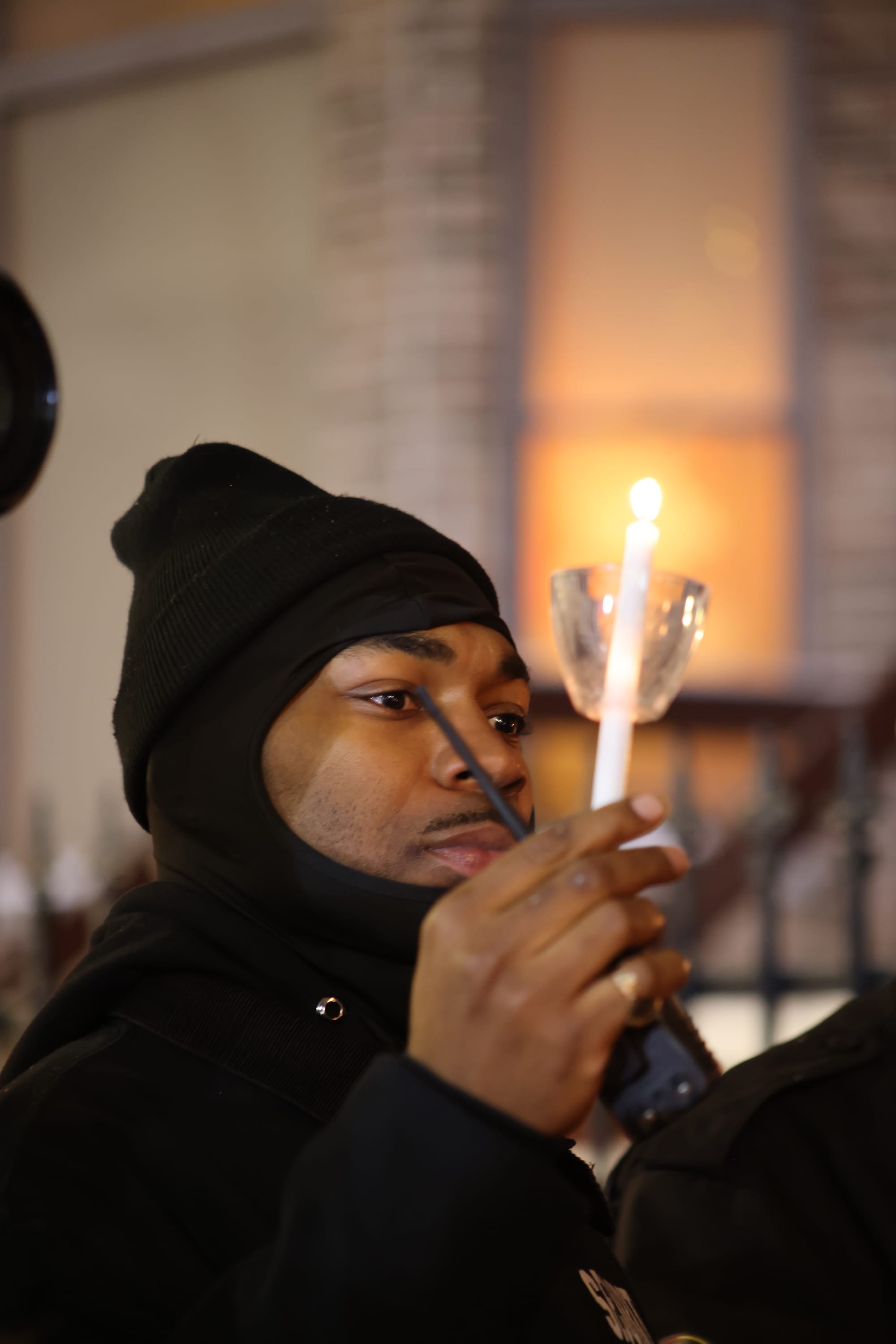
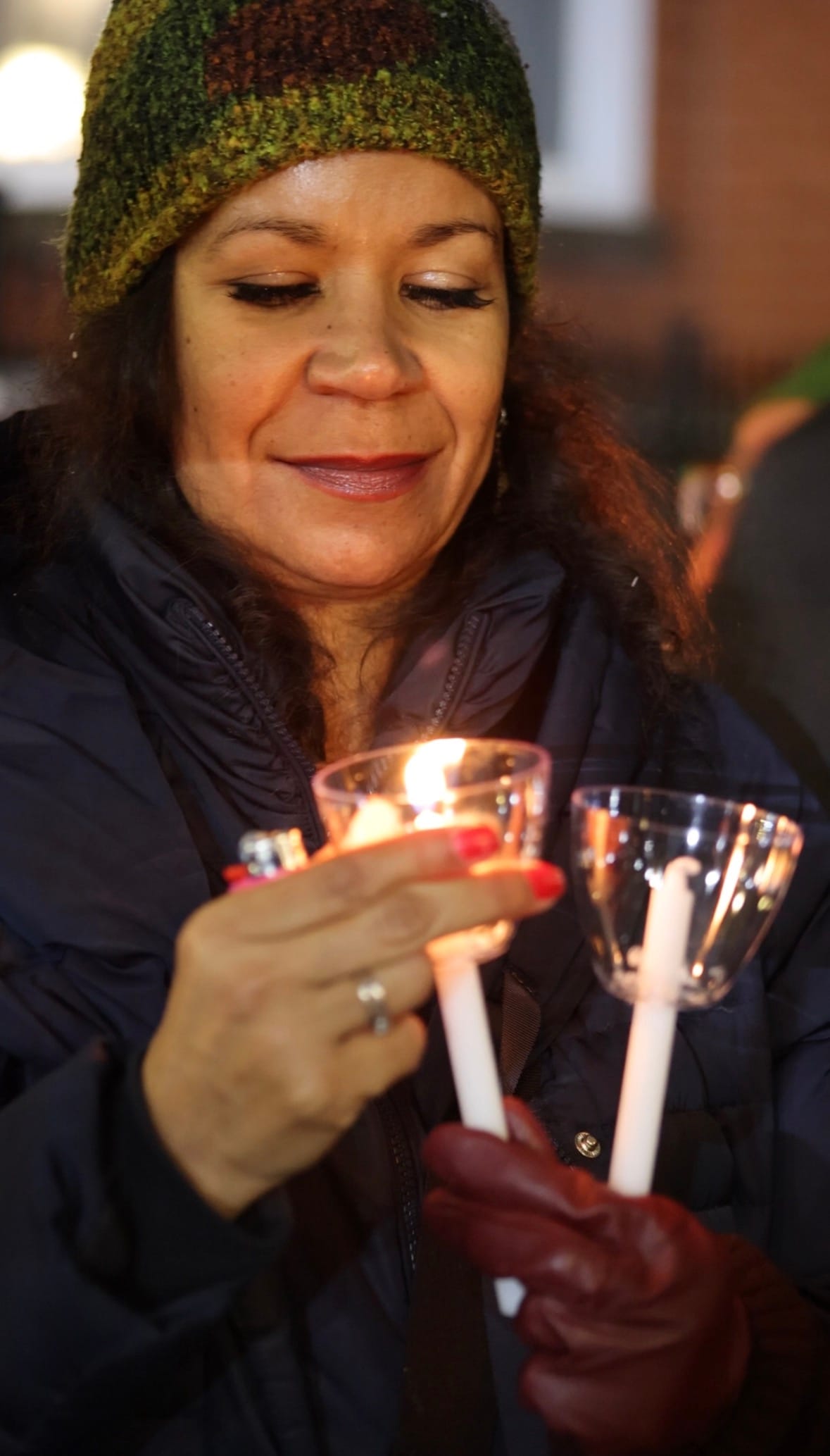
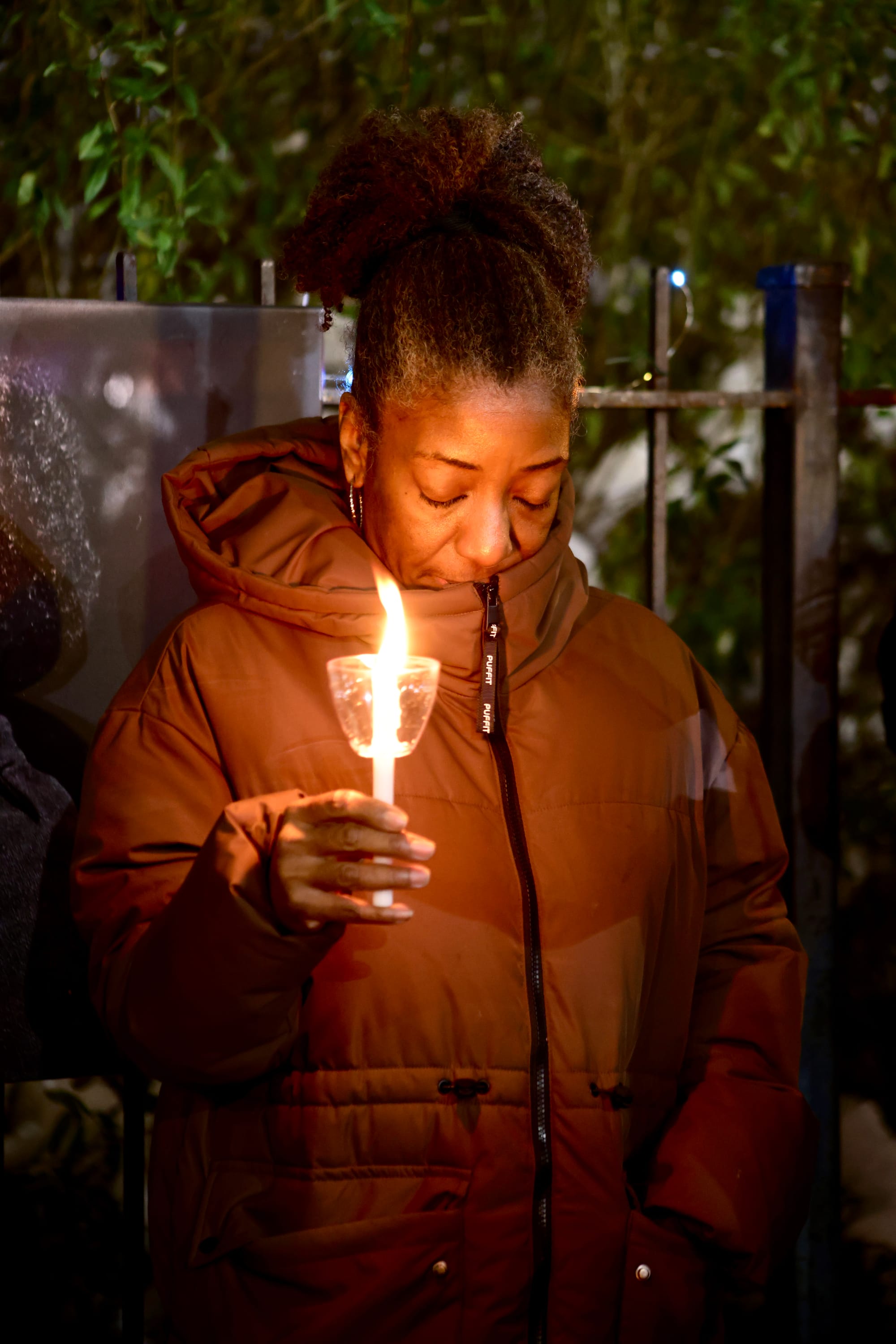
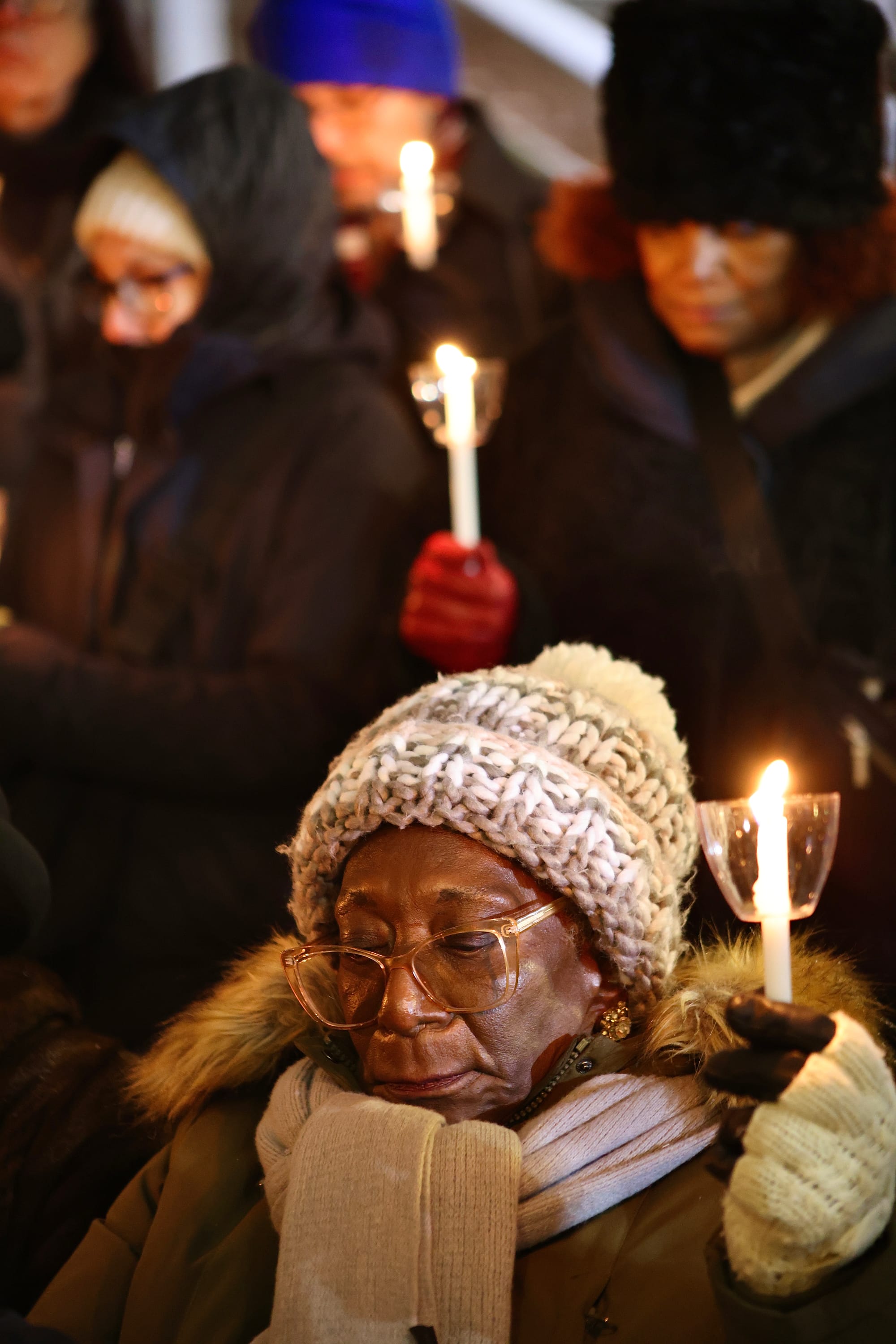
As the ceremony wound down, people moved through the crowd to light their candles, a single flame passing from candle to candle, illuminating the block.
The crowd preparing their candles. | NaBeela Washington/15 West
"We'll have this moment of silence," said McCarty. "Where we'll think about the sacrifice that these two brothers made, and the sacrifice that so many of us have made. A moment of love … a moment of resistance … a moment to understand that we will win."
A moment of silence. | NaBeela Washington/15 West
In that silence, the wind carried away any doubt.
Then, Fred's song, "Someday We'll Be Together" by Diana Ross & The Supremes, played.
"Long live the spirit of Deputy Chairman Fred Hampton and Defense Captain Mark Clark and all the other revolutionaries that have committed their lives to this struggle," someone called into the night.
Each candle blazed on. Just like the breakfast programs that fed children. Just like the free clinics. Just like the political education classes. Just like the People's Response Network, offering help when the city was at capacity.
As the ceremony ended, attendees were left with a reminder from McCarty. “… someday, we'll be together, and we will win."
NaBeela is a Chicago-based journalist writing about what's possible. She's a fierce advocate of the arts and brings people together around literature and culture. Read more: nabeelawashington.com
Liana Ordoñez is an aspiring bilingual journalist whose work nationally and internationally has an emphasis on social justice. She continues to grow her experience highlighting the stories and voices of the marginalized.
An aspiring environmental journalist who is passionate on reporting about
the changing world around us. I take pride in being multi-faceted, and aim to
continue growing my skills throughout school.