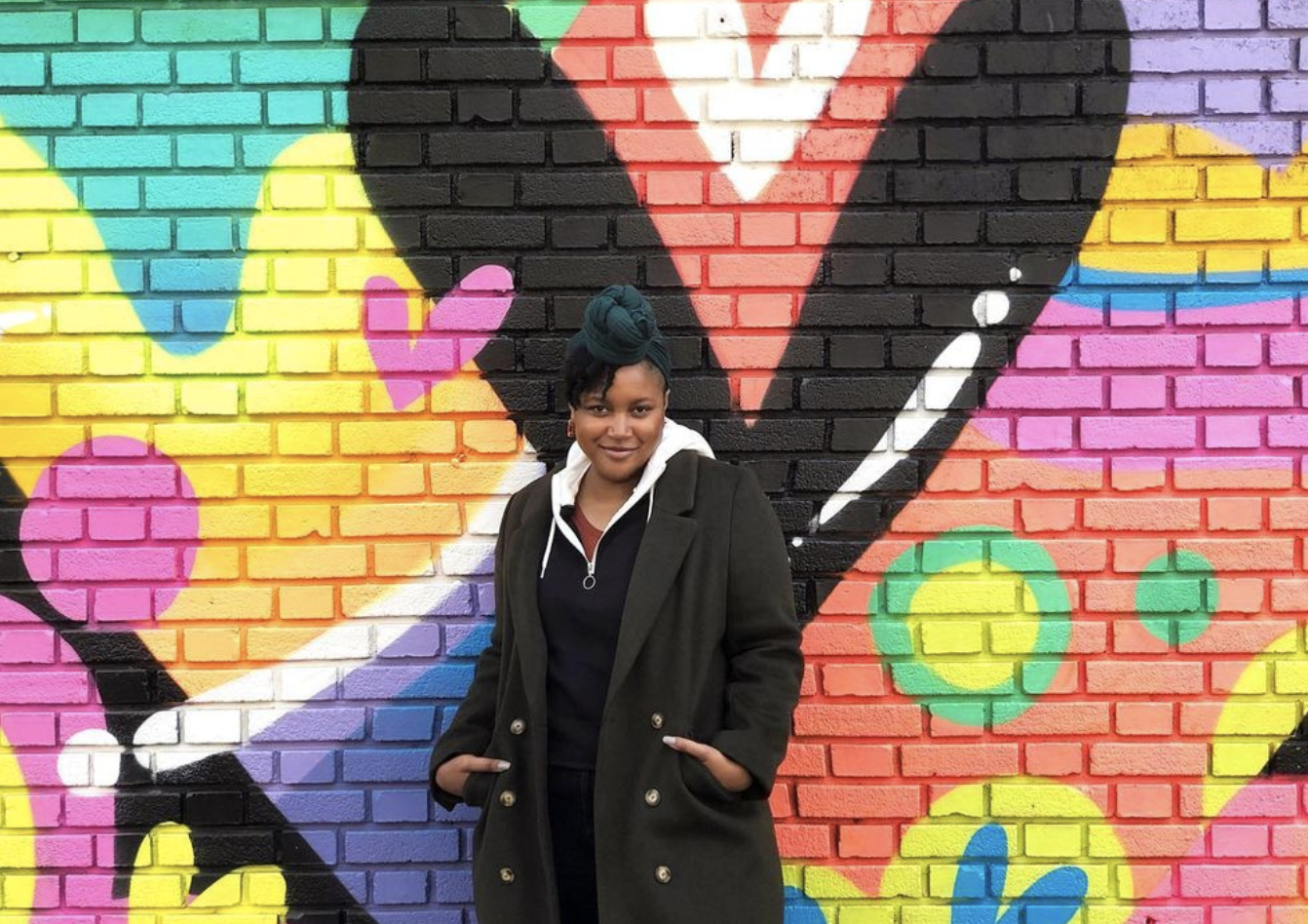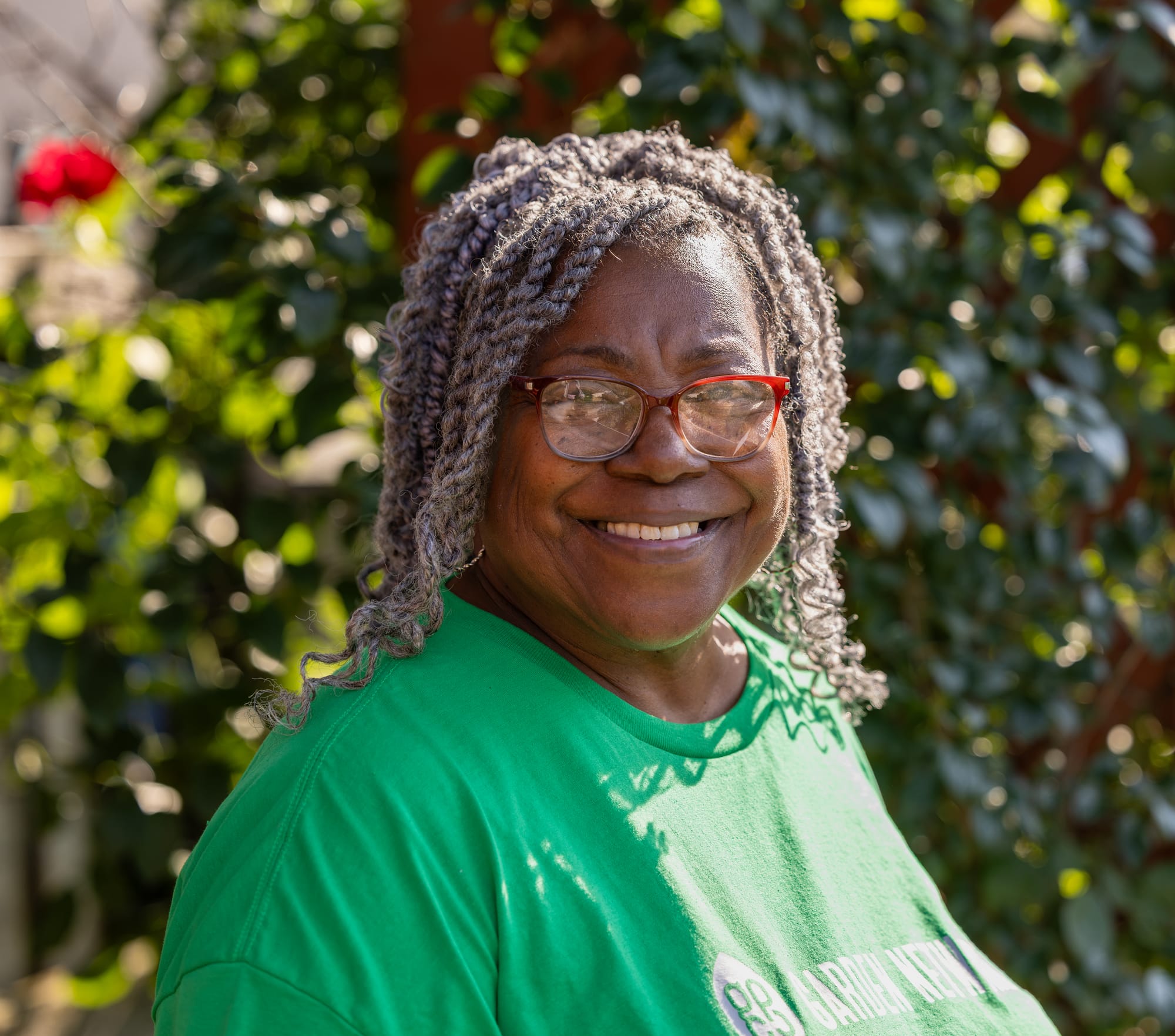
Milla Moore will tell you upfront that she doesn't like bugs.

But standing in a greenhouse in North Lawndale, seeding trays and potting up crops before the day's harvest, the 23-year-old is thinking about how much produce her crew will process before the afternoon ends.

Milla Moore, 23. | Provided by Chicago Botanic Garden

"Just to see the amount of produce that we process as a team every day is amazing," she says.

Two years ago, Moore was a hairstylist without a stable clientele. She decided she wanted more for herself, though she could not have told you exactly what that meant. She applied to Windy City Harvest Corps on instinct.

What she found on the other side was harder to name than a job.

"I never knew how essential fresh produce can be to one human," she says. "I never really knew the impact until I became the one helping to distribute it."

For Moore, agriculture became a career. For other young people working in gardens across Chicago's West Side, it may not. At Windy City Harvest and the Garfield Park Community Council, young people are paid to do consequential work while learning how to show up, work with others, take responsibility, and imagine what might come next.

Growing a workforce

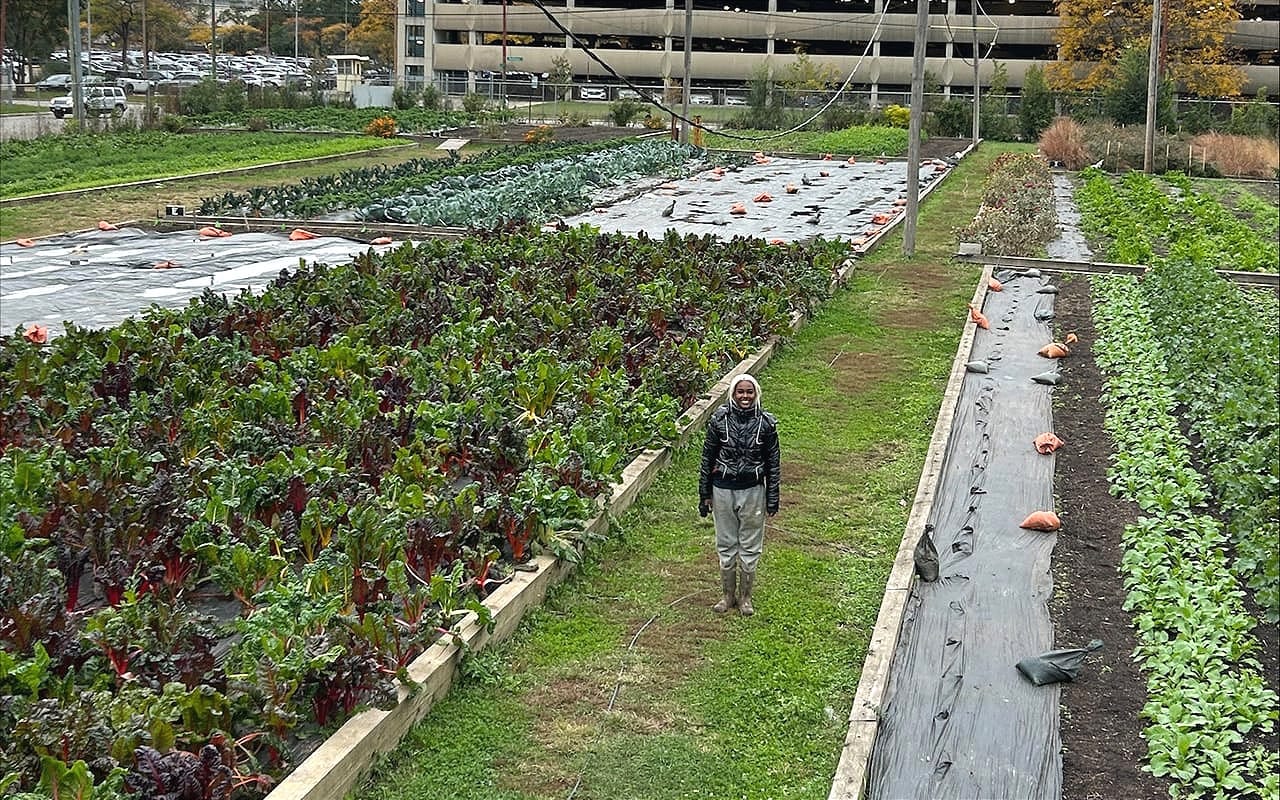
Windy City Harvest is the Chicago Botanic Garden's urban agriculture education and training program, with farms in North Lawndale and Washington Park. Its Corps program runs 14 weeks, combining four days of farm work with Friday job-readiness workshops and individual coaching.

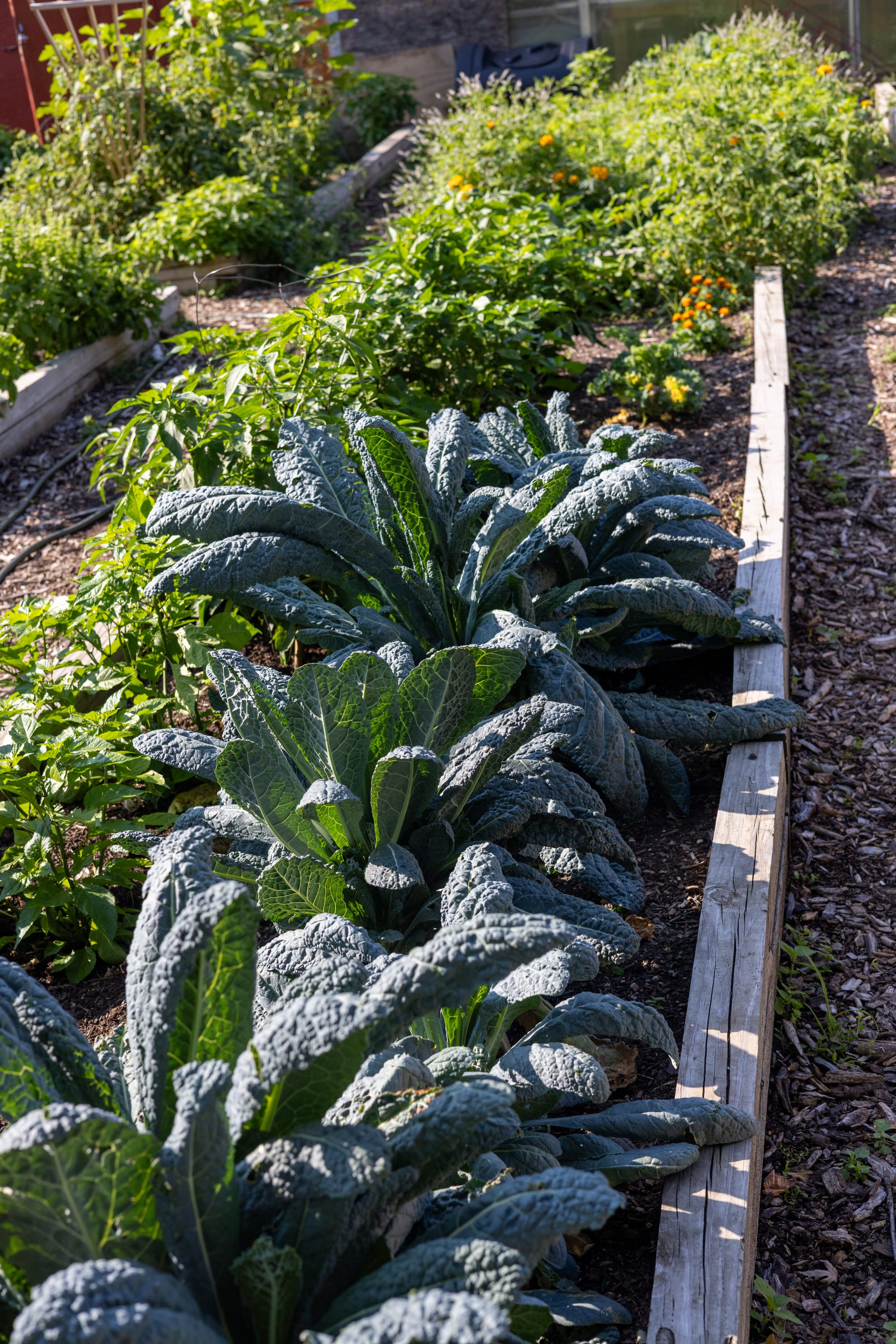
Farm on Ogden Youth Farm. | Provided by Chicago Botanic Garden

Participants earn food handling, workplace safety, and environmental literacy credentials. Thirty enroll each year, many from West Side neighborhoods.

Since 2009, more than 420 people have participated in Corps, and the program reports an 80 percent completion rate. About 70 percent of participants are placed in jobs within roughly six months, with starting wages averaging about $18 an hour. Roughly a third stay in agriculture, while others move into landscaping, warehousing, food service, retail and other industries. About half of participants placed in jobs remain employed at the six-month mark.

Those numbers also show where a workforce program's reach ends. Job placement does not guarantee long-term employment.

Julie McCaffrey, Chicago Botanic Garden's public relations manager, says agricultural training alone can't solve what participants are up against. “Participants are often facing real life, which comes with significant barriers including housing instability, transportation and legal barriers, and family responsibilities,” she says. Training "must be paired with structure, support, and resources that respond to participants' whole lives.”

A significant share of Corps participants come from Chicago's South and West Sides, including North Lawndale, Austin, Garfield Park, Humboldt Park and Little Village, McCaffrey says.

Moore graduated from Corps, moved into a Production Assistant role, and is now completing the 2026 Windy City Harvest Apprenticeship. In two years, she wants to be a farm manager and eventually own her own farm.

"The Windy City Harvest program became a big part of my support system in relation to my family," she says.

The program has changed how she sees her place in her community, too. “I am more connected to my community because I am now bringing value and health benefits for not only myself but for those who don't have access to fresh produce," she says. It has also reshaped how she moves through the rest of her life. "Sometimes it's not always wise to have tunnel vision," she says, "because once you are out of that tunnel you will see things around you that inspire you to want to bring value to not only yourself but others around you."

Food as medicine, farming as path

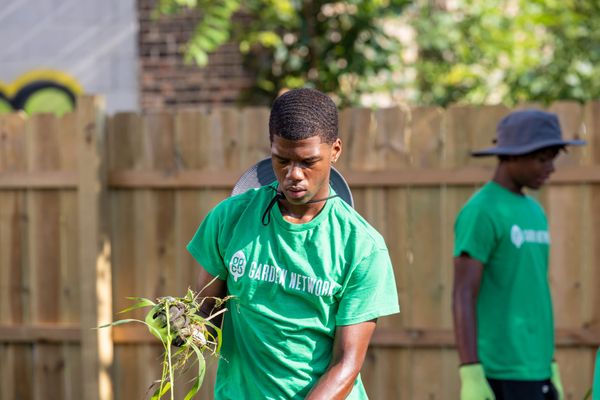
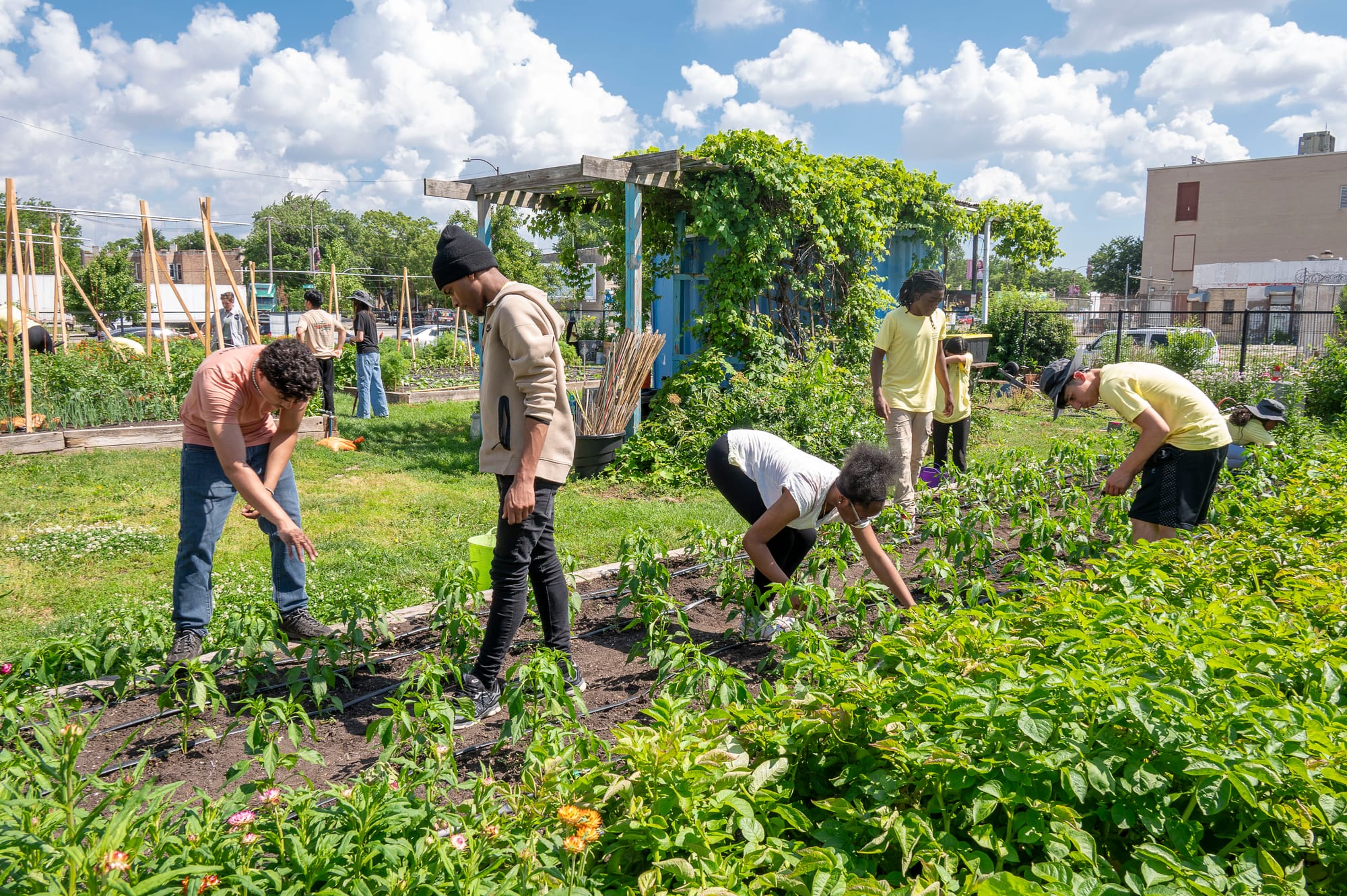
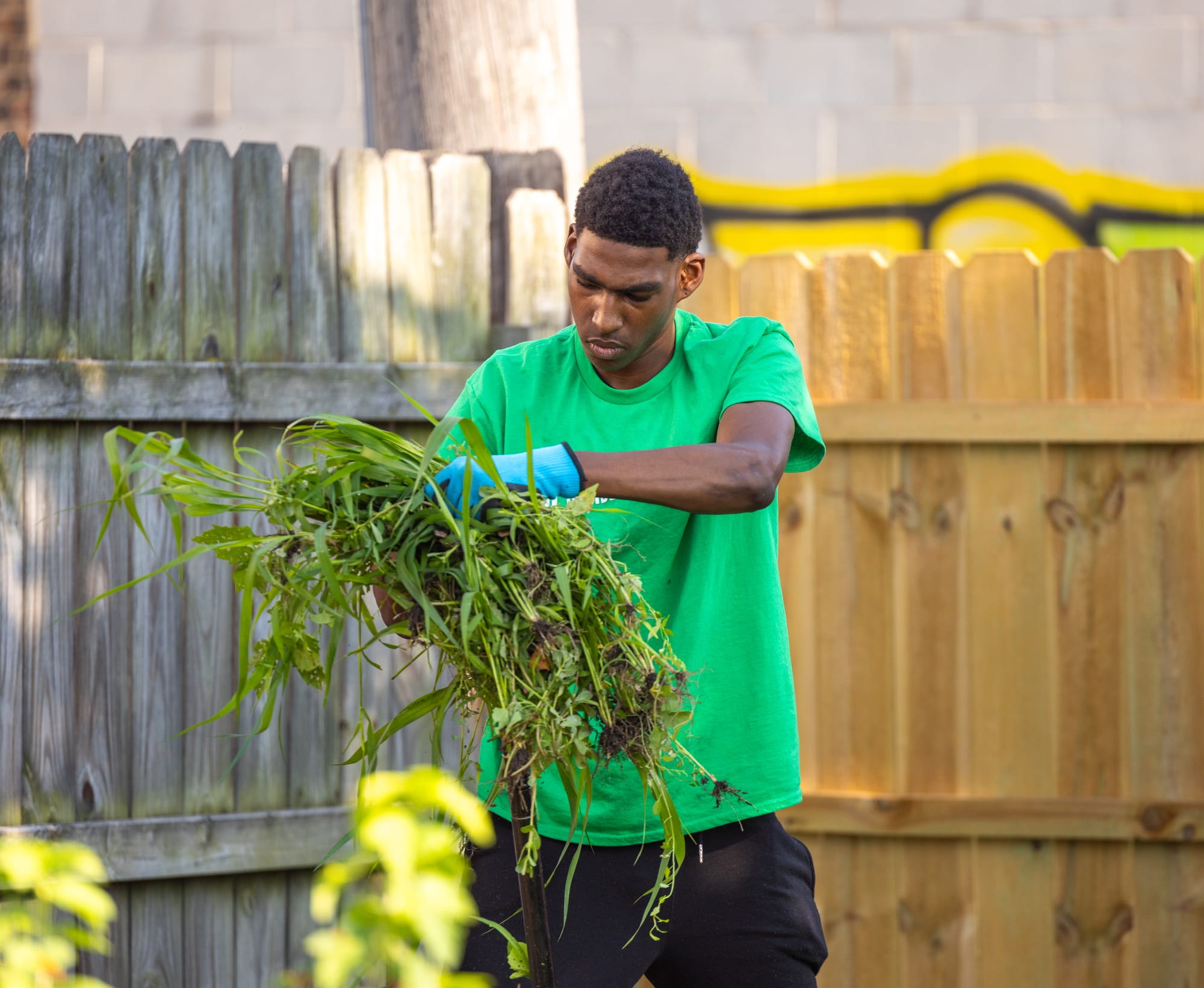
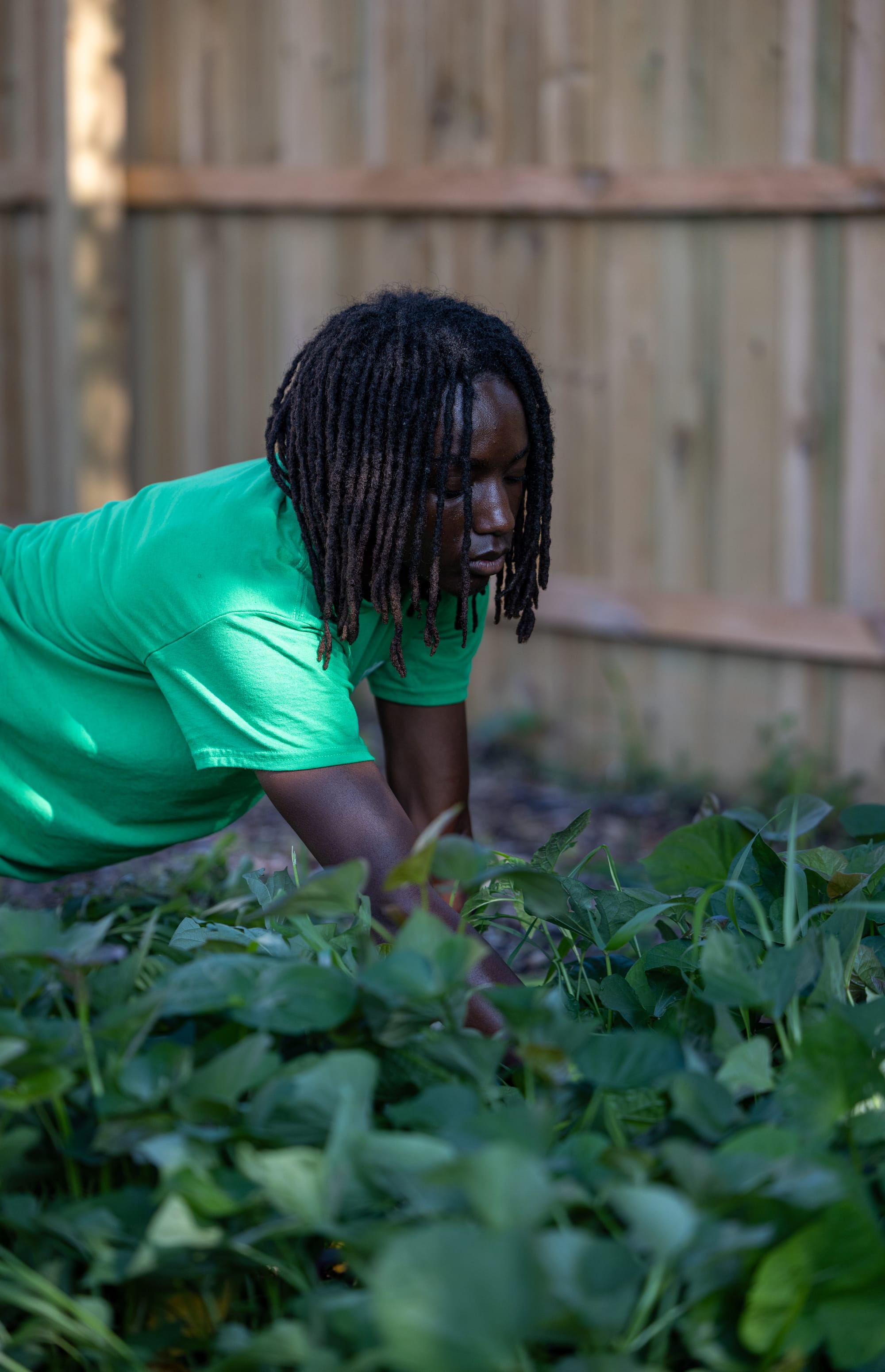
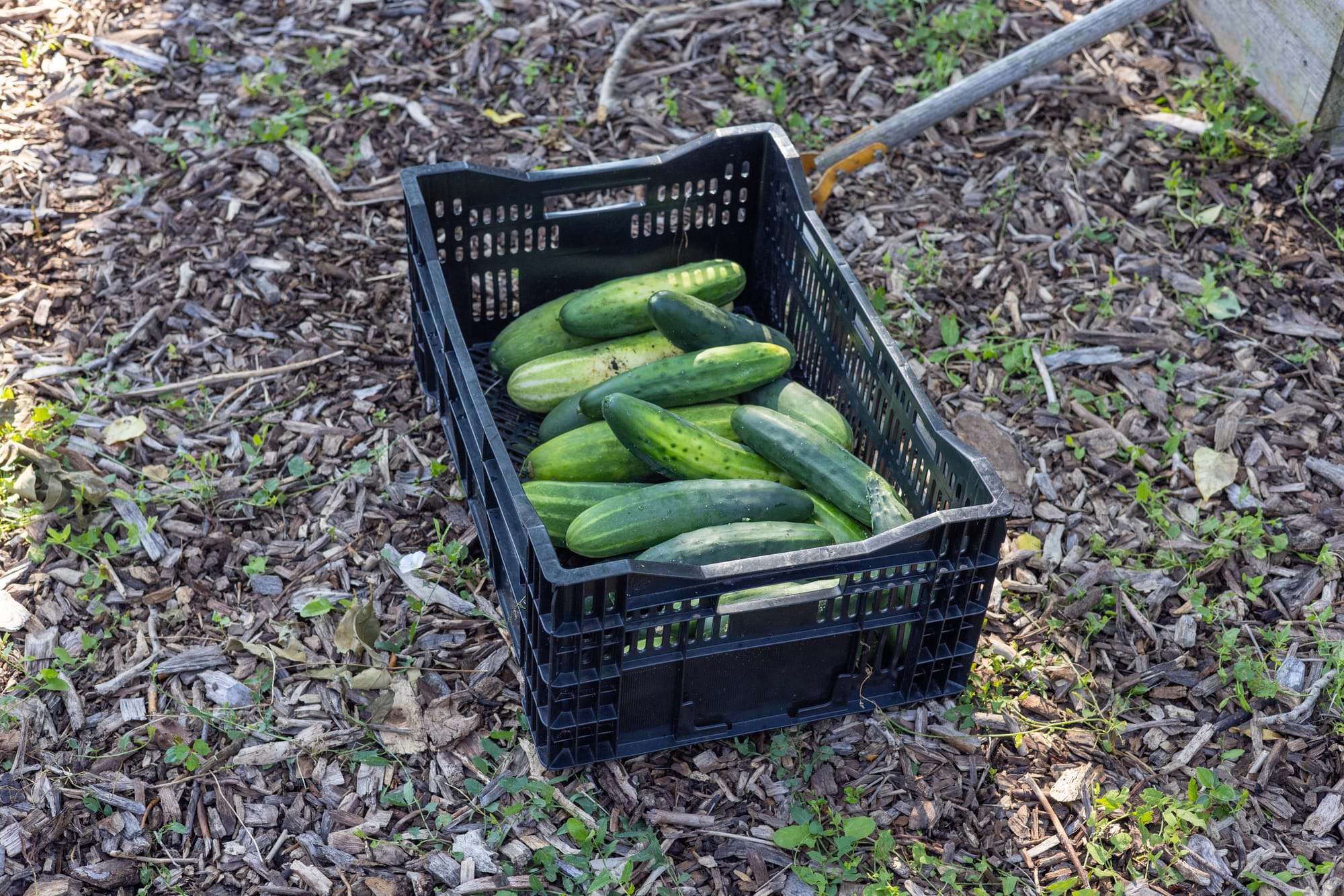
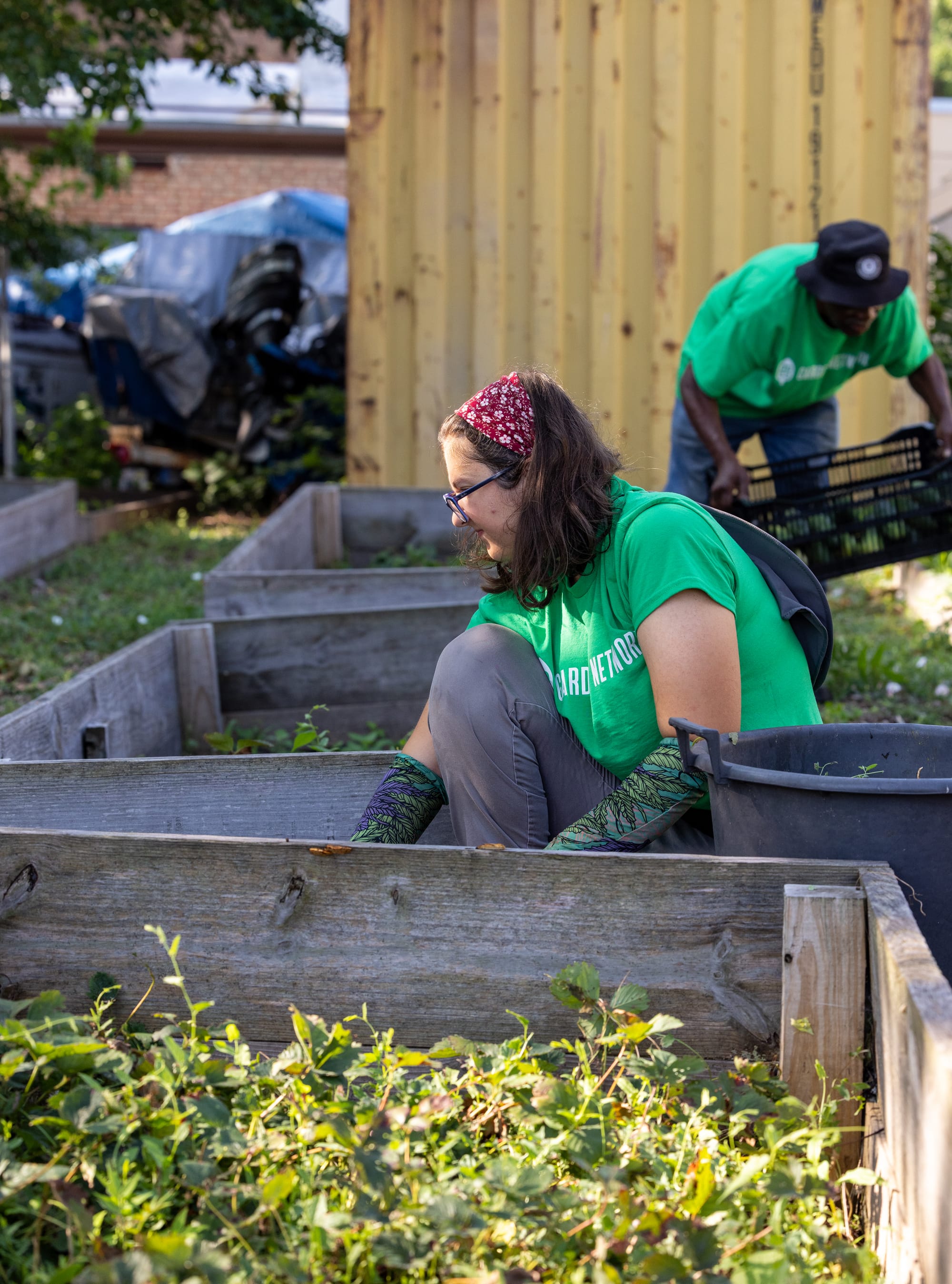
A few miles over, teenagers move among community gardens in West Garfield Park, hauling wood chips, pulling weeds and maintaining spaces that produce food for their neighborhood.

The Garfield Park Community Council's Youth Garden Corps has employed local teenagers in paid summer internships for more than a decade. Participants work in gardens, at the Neighborhood Market and at community events while building horticulture, customer service, teamwork and job-readiness skills.

Angela Taylor, GPCC's wellness director. | NaBeela Washington/15 West

Angela Taylor, GPCC's wellness director and one of the Garden Network's founders, says some participants return for several summers.

Marcus, 17, is in his third year. Urban agriculture was not part of a carefully mapped career plan when he started as a freshman.

"It was so random for me," he says. "I really did not think I would be doing this."

Marcus, Peer Leader, 17. | NaBeela Washington/15 West

What keeps him coming back is the community. He is considering studying law or business in college.

Joseph, also 17, initially wanted to spend his summer elsewhere. His mother encouraged him to try the program; he returned and now says he loves the work. He is considering economics.

Joseph, 17. | NaBeela Washington/15 West

Taylor does not need all of them to become farmers. She wants them to see possibilities.

Beyond the internships themselves, the garden has already shown what one path can look like.

Abdul-Aziz Evans, now 24, started college on a physical therapy track, certain he wanted a career in healthcare. Then COVID-19 sent him home his sophomore year.

He watched grocery stores struggle to stay stocked. "It dawned on me that the healthcare I needed to pursue was not in a hospital setting, but it was in farming," he says. "Food is medicine."

His first internship was at GPCC, where he learned plant identification, harvesting and how to sell directly to the neighborhood.

"They were the genesis of my skill set and knowledge of urban agriculture," he says. "Before them, I did not even know how to identify a kale plant, how to identify a collard green plant."

Evans changed his major, interned at a university student farm, co-founded Jannah Farms and is now based at Stein Learning Gardens, working with community farms across the West Side. He is searching for land to own.

What belief makes possible

GPCC's work is paid. Its website tells prospective interns to expect about 20 hours a week; Taylor says members of this year's cohort can work up to 30 hours and earn $17.50 an hour.

Some use the money for school expenses or younger siblings. Taylor wants them to see that their labor has value.

"When they go home with some hundreds on that check, that makes a different person," she says.

But paid work does not insulate them from what happens outside the gardens.

Asked what the program cannot solve, Taylor names violence. The garden cannot remove it from the surrounding community. What it can offer, she says, is a place where young people feel cared for and can reach trusted adults when they need help.

Garden Network staff tending the Fulton St strawberry patch. | NaBeela Washington/15 West

"This is a safe space for them to help them feel cared for, and a refuge if need be," Taylor says. "We will not take the place of a parent. But we want them to feel safe and that we're going to take care of them."

The Garden Network Taylor helped build now spans more than three acres across nine active community gardens, most held in a land trust to preserve the space for community use, according to GPCC. The network grew out of a federal grant that funded 32 garden lots across Garfield Park, though not all remain active today. Members share tools, workdays and a community greenhouse that can start more than 2,000 seedlings a year.

Funding is another constraint. GPCC continues to fundraise to sustain the Youth Garden Corps. Taylor says an anonymous donation this year, on top of money already raised, gave her confidence the program can return next summer.

What both programs can control is what happens when a young person arrives: work, expectations, attentive adults and opportunities for responsibility.

Taylor is intentional about making sure the most experienced youth leader does not become the voice for everyone else. "I need them to all have a voice," she says. "If they don't, I want them to find their voice so that they, when they go beyond this space, they carry something with them."

Working in agriculture can reveal paths they may not initially see.

"This ain't just bending over weeding," Taylor says. She wants them to see that there is science and, increasingly, business behind what they grow.

For Evans, what started as an internship has become something he hopes to build on across generations.

"My mother made it to the first floor. I'm going to build the second story. My grandchildren are going to build a third story," he says, "rather than every generation starting all the way from the ground up. We should be the Sears Tower by now."

Republish This Story

This story is available for republication under a Creative Commons Attribution-NoDerivatives 4.0 International License. You may republish this article with attribution to the author and 15 West, but you cannot modify the text.

Get Republishing Guidelines

Share this post

NaBeela Washington
NaBeela is a Chicago-based journalist writing about what's possible. She's a fierce advocate of the arts and brings people together around literature and culture. Read more: nabeelawashington.com

Comments