Lo Que Es Pa’ Ti, Es Pa’ Ti: Inside Pilsen’s La Malinche Coffee Shop
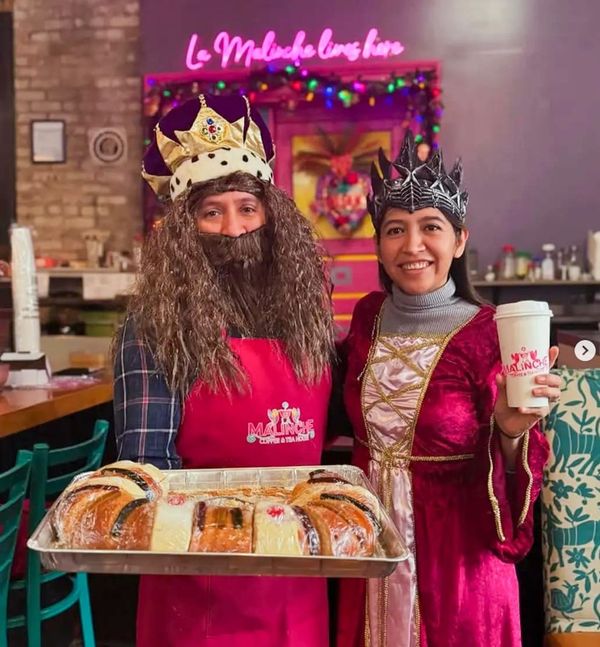
At a neighborhood café on South Halsted Street, a Mexican immigrant couple carries forward another family's dream while creating a space for cultural exchange and community.
For Héctor Aguirre García and his wife, Yvette Valdez, owning a coffee shop in Chicago meant returning to something familiar while pursuing a new dream.
Before moving to Chicago in 2016, the couple owned a café in Mexico City. In Chicago, they hoped to establish a business of their own again. “Somos inmigrantes, llevábamos nueve años en Chicago. Siempre soñamos con tener nuestro propio negocio.” We are immigrants; we had been in Chicago for nine years. We always dreamed of having our own business.
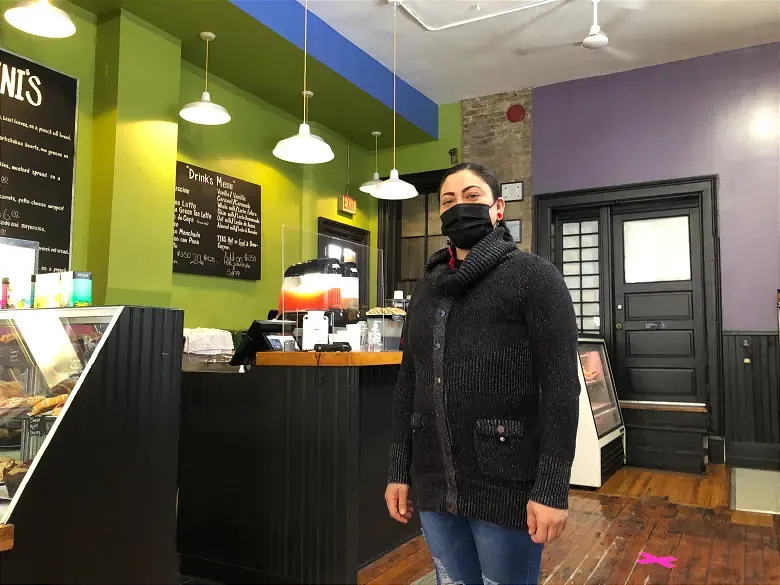
García worked in insurance while pursuing opportunities in the beverage business. One of those opportunities eventually led him to La Malinche Coffee & Tea House, a small café at 2110 S. Halsted St. in Pilsen that was facing closure.
The café had opened in 2021 under Marlene Torres and her husband, Tarsicio Almaraz. Torres, a recipient of Deferred Action for Childhood Arrivals (DACA), had spent 13 years working at Starbucks before realizing her dream of opening a coffee shop.
Shortly after the business opened, health complications from cancer threatened its future. Torres died on Feb. 4, 2022, at the age of 39.
García and Valdez had already stepped in to keep the café open, purchasing the business through an arrangement that allowed them to pay in installments. “No teníamos el dinero … pero en una semana cerramos el trato. En pagos,” García says. We didn't have the money … but within a week, we closed the deal. In installments.
By keeping the café's name, the couple honored the legacy of its original owners while continuing their own tradition of sharing Mexican culture through food, beverages and hospitality.
Reclaiming La Malinche
The café takes its name from one of the most debated figures in Mexican history.
La Malinche, also known as Malintzin or Doña Marina, was an enslaved Indigenous woman who served as an interpreter for Hernán Cortés during the Spanish conquest of Mexico in the 16th century.
Although some have characterized her as a traitor, others have challenged that interpretation by examining the circumstances of her enslavement and the limited choices available to her.
García's story represents survival and cultural exchange. “La Malinche no tiene buena fama,” he says. “Pero fue un puente entre culturas. Fue traductora, una jovencita que buscó cómo sobrevivir.” La Malinche doesn't have a good reputation. But she was a bridge between cultures. She was a translator, a young woman who sought a way to survive.
García sees the historical figure as an opportunity to reconsider how Mexican history is understood and how Mexican culture is shared with others.
“La historia de México también es una batalla cultural,” García says. “Los mexicanos vamos a ser mayoría. Hay que compartir nuestra cultura con todos y convivir.” The history of Mexico is also a cultural battle. Mexicans are going to be the majority. We have to share our culture with everyone and live together.
That understanding of cultural exchange informs the kind of space García and Valdez set out to create in Pilsen.
Making room for community
Inside La Malinche, couches offer visitors a place to relax, while desks and tables accommodate people looking to work, study or spend time together.
For the couple, hospitality extends beyond serving food and drinks. “Antes de recibir, damos,” García says. Before we receive, we give.
When interviewed in 2025, García described how the café made space for free summer mercaditos, or small markets, as well as board game nights and Aztec dance performances.
“Puedo hacer un evento … invitamos a que usen este espacio,” García says. I can organize an event … we invite people to use this space.
Music from different parts of the world fills the café, reflecting the owners' desire to welcome people from different cultural backgrounds.
“La gente aprecia cuando les das la bienvenida,” García says. “They open up when they feel seen.” People appreciate it when you welcome them.
Beyond tacos and tequila
For García, the café is also an opportunity to introduce visitors to aspects of Mexican culture they may be less familiar with.
“We’re more than tacos and tequila,” García says. “Nuestra cultura también es arte, hospitalidad, sabor y resiliencia.” Our culture is also art, hospitality, flavor and resilience.
That philosophy extends to the menu. Among the drinks featured at the time of the interview was the mazapán latte, which brings the flavor of a traditional Mexican peanut candy into an espresso-based beverage.
Other offerings included horchata, churro and cajeta lattes, alongside dishes such as chilaquiles, bagels, paninis and crepes. One drink, "Amor Eterno", takes its name from the song written by Mexican singer-songwriter Juan Gabriel.
These offerings bring together flavors and cultural references that may be familiar to some visitors and entirely new to others.
“La gente conecta con eso,” García says. “Es más que una bebida, es memoria. People connect with that. It's more than a drink; it's memory.
Building a future in Pilsen
When García spoke about the café's future in 2025, his ambitions extended beyond operating a small business. He expressed a desire to establish a more permanent foothold in the neighborhood.
“Ya estamos en posición. Queremos ser dueños. En un barrio como Pilsen, eso es importante,” he says. We're in a position now. We want to be owners. In a neighborhood like Pilsen, that's important.
For García and Valdez, the opportunity to take over La Malinche meant that the dream of one immigrant family could continue through the work of another. “The American Dream isn’t dead,” García says. “El que está dispuesto a trabajar, lo logra.” Those who are willing to work achieve it.
Editor's Note
This story was originally published on Esmeralda Escalera’s Substack on June 4, 2025. It is republished with permission and has been edited for clarity and accessibility. English translations of the original Spanish-language quotations have been added.
Since the story’s original publication, García and Valdez have become owners of the building housing La Malinche, according to a September 2026 feature published by The Resurrection Project.
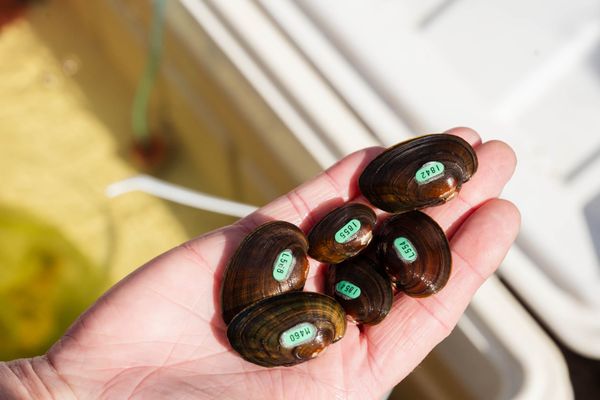
Mussels seen prior to release on the Mississippi River in St. Paul, Minn. on Sept. 16, 2026. Credit: Bridget Bennett/MinnPost/CatchLight Local/Report for America
David Ikeemeka [DERECHA] recibiendo un cheque de $5,000 durante el evento "Lanzamiento Negro" de Gray Matter Experience en el 2025. | Foto de Gray Matter Experience.