At Morton West High School, students shared what they wish candidates understood about their lives, from mental health and safety to their hopes for the future. But are candidates listening?
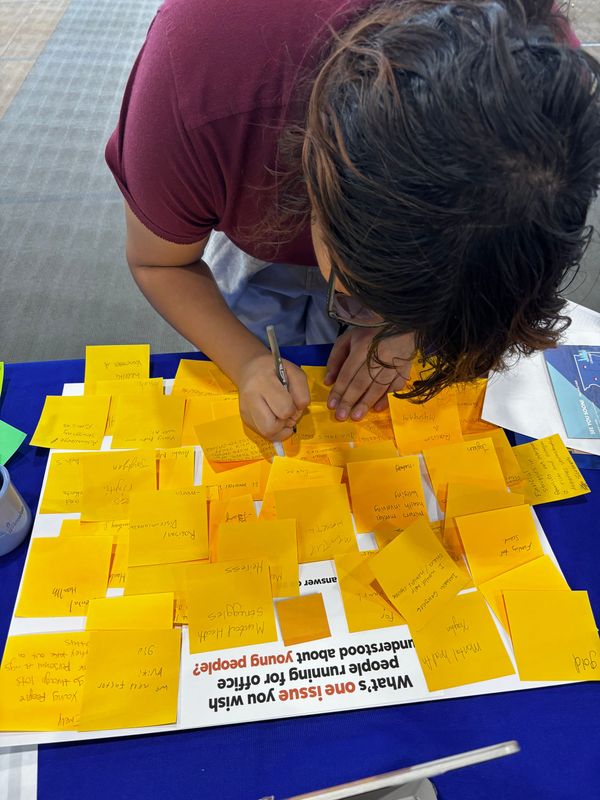
“Ask what we need and not trying to guess what's best for us,” wrote Aiden, a Morton West High School student who shared what they wish people running for office understood about young people.
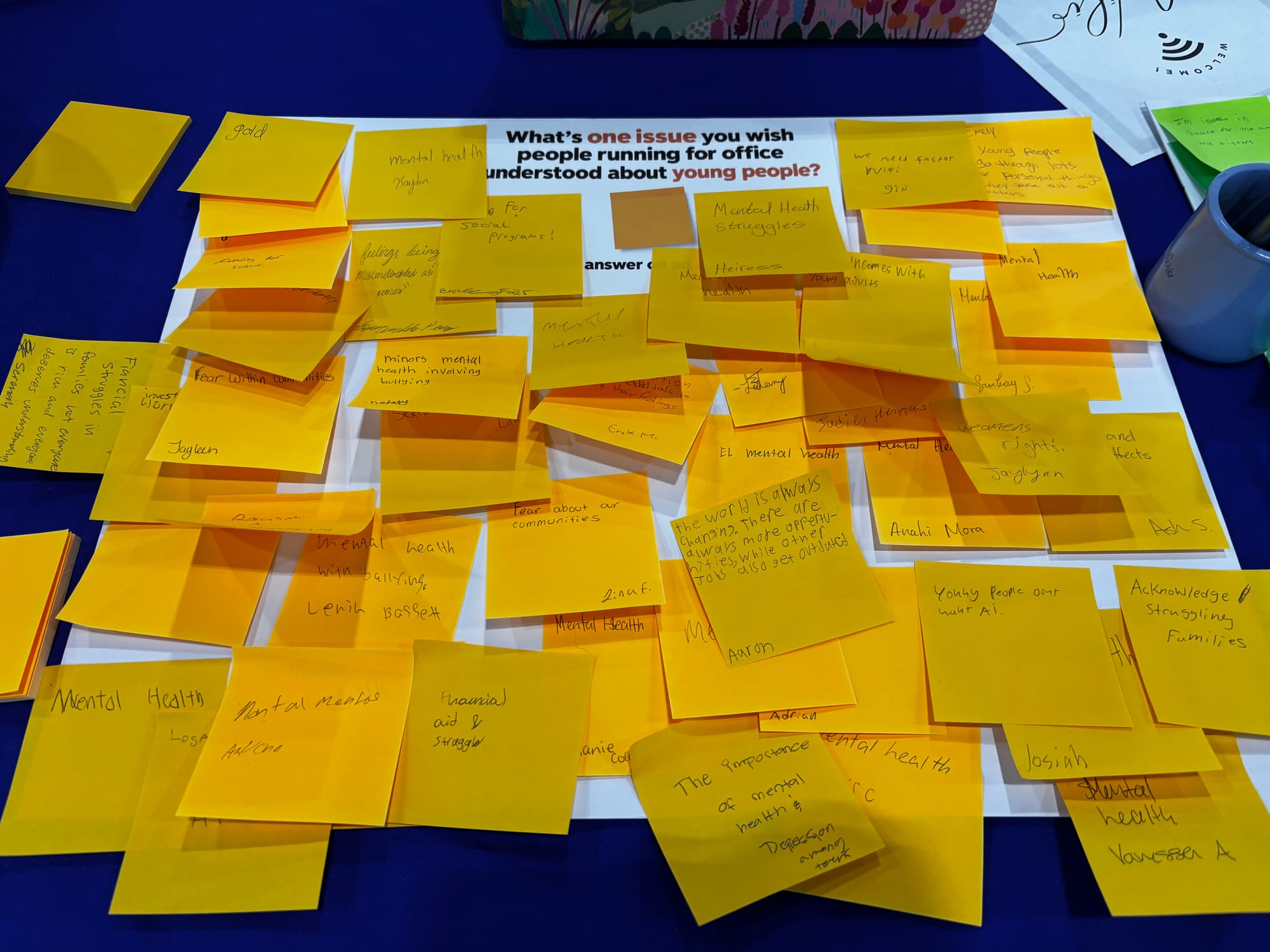
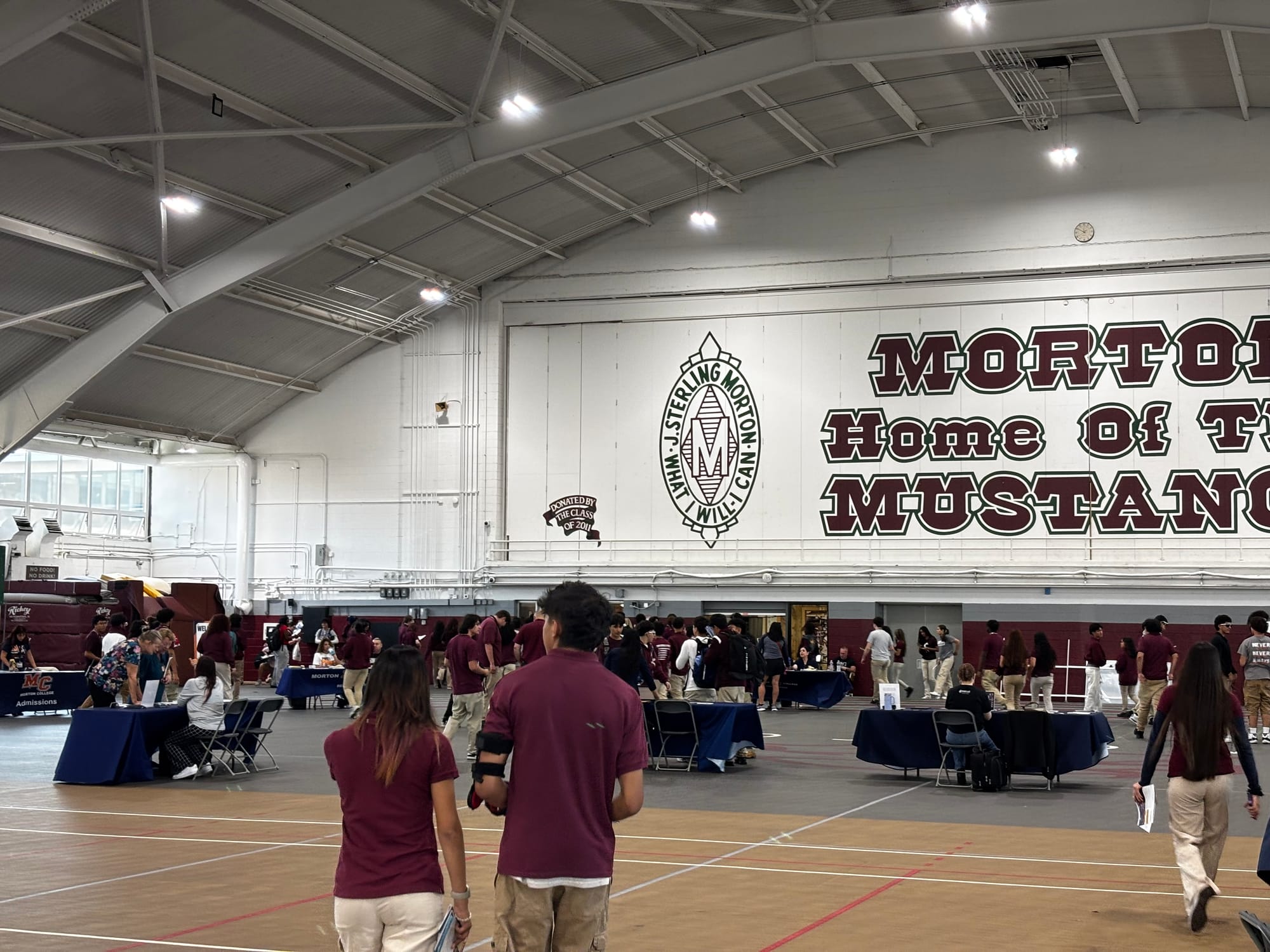
Aiden was among 59 students who shared what they wished candidates understood about young people during Morton High School’s Future Fest in October. Some students wrote about feeling unsafe. Others described financial struggles, discrimination, or uncertainty about their futures. But one issue appeared repeatedly: mental health.
Of the 59 responses collected, 24 explicitly mentioned mental health. Some students wrote only those two words. Others connected mental health to depression, bullying, and difficult family situations.
Their answers offered a glimpse into what participating students wanted decision-makers to recognize ahead of the November election.
Mental health came up in a video interview with Isai, a Morton West student who said young people's concerns deserve more attention from elected officials. “They don't really focus on younger people,” Isai said. "They focus more on the other problems in our community, and we just wish that would change.”
0:00
/0:13
Isai, a Morton West student, highlighting the significance of youth mental health. | NaBeela Washington/15 West
Another student wrote about “Minors mental health involving bullying.” Another described feelings being misunderstood as "teen hormones.”
The responses offered few details about what kind of support students wanted, but they raised questions about what adults recognize and what they might overlook.
Other students pointed to concerns about their safety, families, and futures.
“Fear within the school ... The students shouldn't be scared,” wrote Valeria.
One student asked candidates to “Acknowledge struggling families.” Others mentioned racism and discrimination, college affordability, gun violence, and uncertainty about artificial intelligence.
More Than Their Struggles
While many students raised concerns about mental health, safety, and financial pressures, others wanted adults to recognize their ambitions and the work they're already doing to build their futures.
In a separate written reflection, Kayla, a 17-year-old Morton West student, shared what she wishes education decision-makers understood about her.
By Kayla, 17 | Morton West High School
One thing I wish the people making decisions
about me is that I'm a hardworking student
who never gives up on her dream.
I always want to achieve the goals for my
future, for instance Culinary Arts. For me,
I always make extra desserts for families
and friends to try. I always love seeing
the smile on their face when they taste
it and hearing their opinions on it.
Investing in Their Futures
For Axel, another Morton West student, supporting young people's futures starts with investing in their education.
In a video response to 15 West, Axel identified school funding as an issue he wishes candidates understood. He said insufficient funding could make the future more difficult for younger generations.
0:00
/0:25
Axel, a Morton West student, highlighting the significance of investing in schools. | NaBeela Washington/15 West
“I wish they would put more thought into schools,” he said.
What are candidates saying about school funding?
Morton West student Axel wants candidates to give more thought to funding education. Here's what the candidates for Illinois governor have said about the issue.
Darren Bailey (Republican)
Bailey says education funding should be a priority, but argues schools need greater financial accountability. He supports reducing reliance on property taxes and expanding access to private-school scholarships through a federal program.
Corbett says Illinois should fully fund schools through its existing evidence-based funding formula. His proposal includes restraining discretionary spending and directing additional available funds toward schools and property tax relief.
Pritzker points to increased education funding and teacher staffing during his administration. He supports continued improvements to public education while emphasizing the need to sustain state spending over time.
Who decides? Illinois governors propose state budgets, but the General Assembly determines appropriations. Local school districts also make spending decisions. Morton West belongs to J. Sterling Morton High School District 201, not Chicago Public Schools.
These responses raise a question beyond November 3: What does it mean for young people to be included in decisions about their futures, whether or not they're old enough to vote?
15 West is a community newsroom covering Chicago's West Side. This story was produced with support from Press Forward Chicago, an initiative of The Chicago Community Trust investing in local news and information.
How we reported this story
In October 2026, 15 West invited students at Morton West High School's Future Fest in Berwyn to answer a question: “If you could vote, what's one issue you wish people running for office understood about young people?”
Fifty-nine students each submitted one Post-it response. They were informed that their responses could be published and could choose whether to include their names. Participants were not paid for their responses.
The responses offer a snapshot of concerns raised by participating students. They do not constitute a representative survey of Morton West students or young voters. Because responses were displayed publicly, students could see what others had written before submitting their own.
For our analysis, we counted responses that explicitly included the phrase "mental health." Twenty-four of the 59 responses did so.
15 West separately commissioned two written reflections from 17-year-old Morton West students, each offered a $35 honorarium. One reflection is included in this story. Both contributors responded to a different prompt: "What is one thing you wish the people making decisions about your education understood about your experience as a student?"
The honoraria compensated students for their writing, not for expressing any particular opinion or viewpoint.
15 West also collected two voluntary video interviews. The commissioned reflections and video interviews were separate from the 59 Post-it responses and were not included in that analysis.
15 West selected quotations and contributions for publication based on their relevance and the range of experiences shared. All 59 Post-it responses were included in the analysis, whether or not they were quoted in the story.
Explore the election
We created free, nonpartisan election resources to help readers learn more about the offices, candidates, and decisions on the November 3 ballot (and beyond).
Stay tuned for our youth zine, Ask Us What We Need, or visit15west.org/elections.
Republish This Story
You can republish this story unchanged for noncommercial use with attribution under our
CC BY-NC-ND 4.0 license.
For commercial use, translations, or additional permissions, see our republication guidelines.
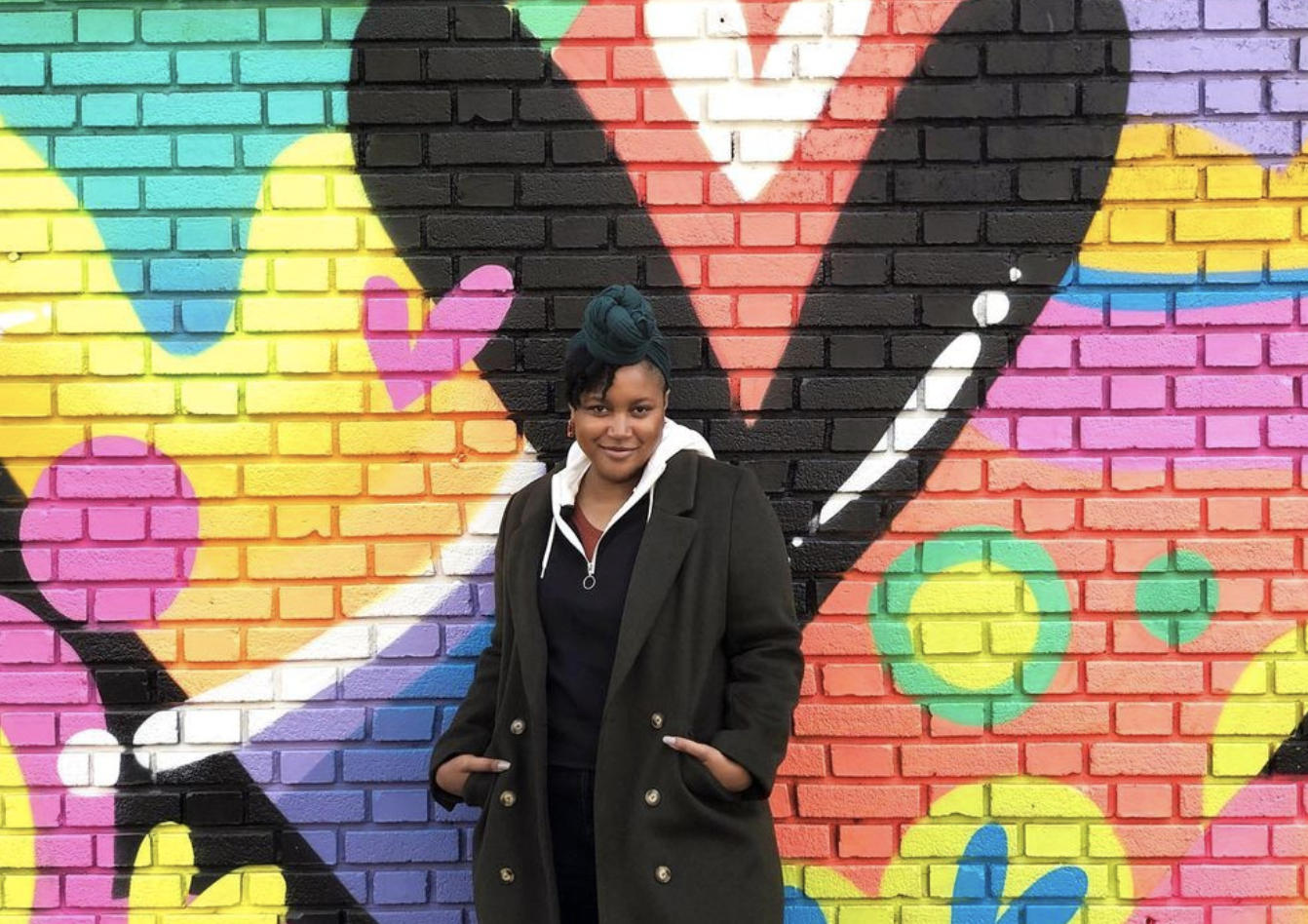
NaBeela is a Greater Chicago-based photographer and journalist writing about what's possible. She's a fierce advocate of the arts and brings people together around social change and accessible education. Read more: nabeelawashington.com
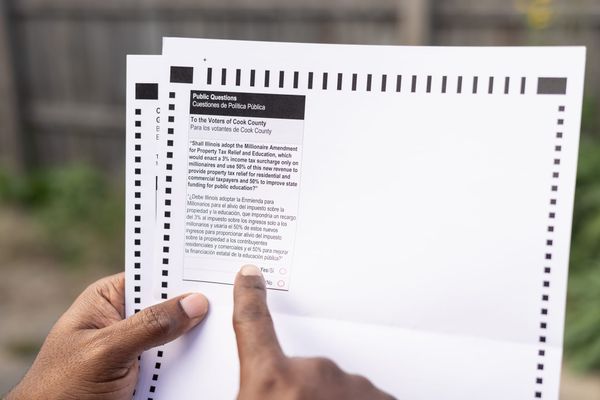
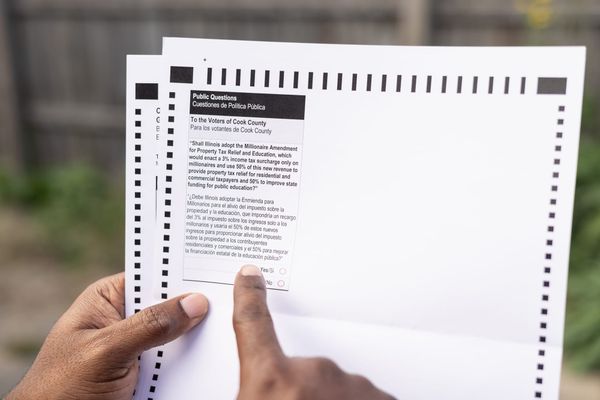
A voter reviews the Cook County public question asking whether Illinois should impose a 3% surcharge on income above $1 million and divide the revenue between property-tax relief and public education. | NaBeela Washington/15 West
Un votante revisa la pregunta para el público del Condado de Cook que pregunta si es que Illinois debería imponer un suplemento de 3% a los ingresos que pasen $1 millón y dividir el dinero entre un relevo a los impuesto a la propiedad y a la educación pública. | NaBeela Washington/15 West